2025-02-03
Sunglasses for Cricket: Eye Protection and Glare Reduction for Players
As an optometrist with years of experience, I’ve seen a surprising number of cricket-related eye injuries – from minor annoyances to serious, vision-threatening trauma. Cricket, with its fast-moving balls and dynamic field positions, presents unique challenges for eye safety. Many players underestimate the risks and don't realize how crucial proper eye protection is. It’s not just about avoiding a direct hit; glare management is equally important for performance and comfort. This post will dive deep into choosing the right sunglasses for cricket, covering everything from impact resistance to lens tints, and addressing different playing levels and budgets.
What are the Real Risks to My Eyes Playing Cricket?
Most people think of a direct ball impact as the primary concern, and rightly so. Cricket balls can travel at speeds exceeding 140 km/h. Even a glancing blow can cause significant bruising, corneal abrasions, or even orbital fractures. However, there’s much more at play.
- UV Exposure: Prolonged outdoor exposure, especially in bright sunlight (common in Okotoks, Alberta during the summer months), increases the risk of cataracts and macular degeneration. Even on cloudy days, UV rays penetrate.
- Glare: Sunlight reflecting off the pitch, white clothing, or even the ball itself creates intense glare. This glare reduces visual acuity, slows reaction time, and causes eye strain, impacting your ability to track the ball.
- Peripheral Hazards: Dust, insects, and even errant fielders can pose a threat, particularly for close-in fielders.
It’s also worth noting that many amateur or recreational players haven't had an eye exam in years. Undiagnosed vision problems can compound these risks. Poor depth perception, for example, can make judging a ball’s trajectory even harder.
What Level of Protection Do I Need?
The level of protection you need depends on your role, playing level, and personal risk tolerance. Here's a breakdown:
- Recreational/Social Cricket: Even at this level, basic impact-resistant sunglasses are essential. Look for lenses and frames that meet the CSA standard for sports eyewear. This indicates they've passed testing for impact resistance. A polarized lens will greatly reduce glare. Expect to spend $50 - $150 for decent quality options.
- Competitive Amateur Cricket: Stepping up to a regular league demands higher protection. Specifically, look for glasses certified to meet ASTM F803 standards – these are more stringent than basic CSA certification. Consider wraparound frames that offer greater peripheral coverage. The price range here is roughly $100 - $300.
- Professional/High-Level Competitive Cricket: At this level, premium protection is non-negotiable. You’ll want polycarbonate lenses (more on that below), fully wraparound frames, and a secure fit. Some professional players opt for specialized cricket goggles, offering the highest level of impact protection. These can cost $200 - $500 or more.
What most people don’t realize: Simply wearing any sunglasses isn’t enough. Standard fashion sunglasses offer minimal impact protection. They might shield your eyes from UV rays, but they won’t withstand a cricket ball impact.
Lens Materials: What’s the Best Choice?
The lens material is crucial for both impact resistance and optical clarity. Here’s a comparison:
- Polycarbonate: The gold standard for sports eyewear. Polycarbonate is incredibly impact-resistant – about 10 times more resistant than glass or plastic. It's also lightweight and provides 100% UV protection. A good quality polycarbonate lens will cost between $60 and $180, depending on features like polarization and coatings.
- Trivex: Similar to polycarbonate in terms of impact resistance and UV protection, but offers slightly better optical clarity. Trivex is a bit more expensive than polycarbonate, typically costing $80 - $200.
- Glass: While glass offers excellent optical clarity, it’s too brittle and prone to shattering for cricket. Avoid glass lenses for this sport.
- Acrylic/Plastic: Less expensive, but also significantly less impact-resistant. Not recommended for cricket.
Lens Tints: Reducing Glare and Enhancing Performance
The right lens tint can dramatically improve your vision and performance on the cricket field. Here are some popular options:
- Grey: Reduces overall brightness without distorting colors. A good all-around choice for bright, sunny conditions.
- Brown/Amber: Enhances contrast and depth perception, particularly useful in variable light conditions. Good for overcast days or when playing under stadium lights.
- Green: Provides good contrast and reduces glare while maintaining natural color perception.
- Polarized: The most effective at reducing glare from surfaces like the pitch and the ball. Highly recommended for cricket, especially for fielders. Polarization can sometimes interfere with LCD screens (like scoreboards), but this is rarely a significant issue in cricket.
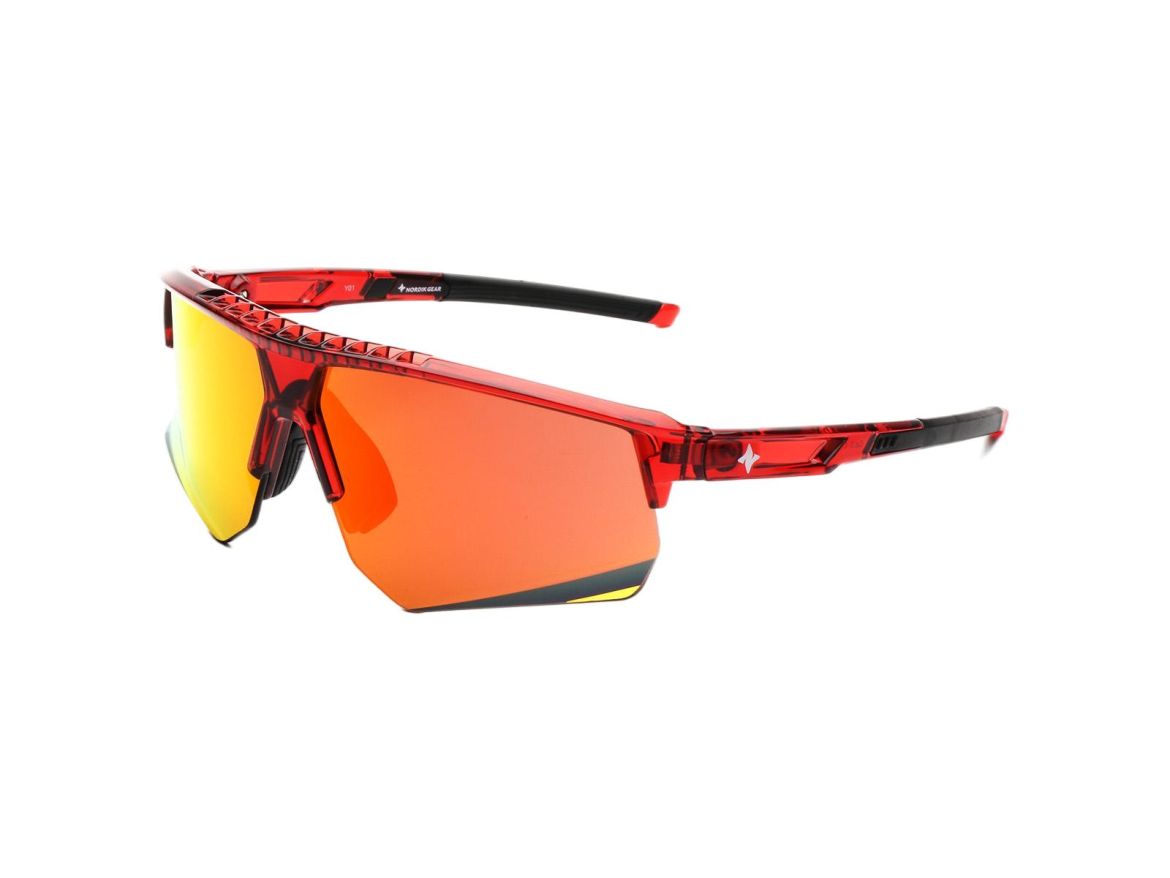
- Yellow/Orange: Increases contrast in low-light conditions, but can distort color perception. Less ideal for bright sunlight.
A common mistake: Assuming a darker tint always provides better protection. It's not about darkness; it's about blocking UV rays and managing glare. A lighter-tinted lens with 100% UV protection and polarization can be more effective than a very dark lens without these features.
Frame Features to Look For
The frame plays a critical role in both protection and comfort.
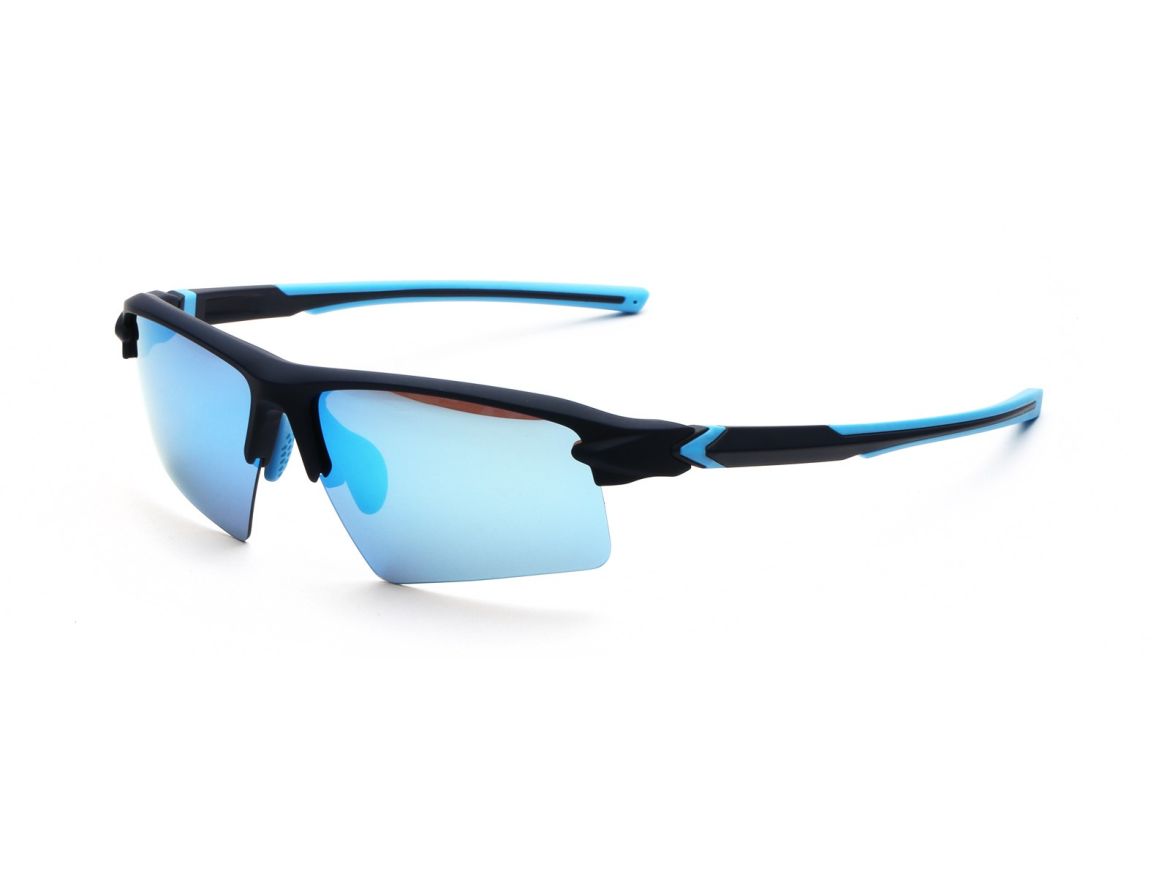
- Wraparound Design: Provides maximum coverage, blocking sunlight and debris from the sides.
- Secure Fit: The sunglasses should stay firmly in place during vigorous activity. Look for frames with adjustable nose pads and temple tips. Rubberized coatings on the temples and nose pads can improve grip.
- Durability: Choose frames made from durable materials like polycarbonate or TR90.
- Ventilation: Helps prevent fogging, especially in humid conditions.
Beyond Sunglasses: Other Considerations
While sunglasses are essential, consider these additional factors:
- Regular Eye Exams: Get a comprehensive eye exam at least every two years (or more frequently if you have vision problems).
- Contact Lenses: If you wear contact lenses, talk to your optometrist about whether they are suitable for cricket. Consider wearing glasses over your contacts for added protection.
- Proper Care: Clean your sunglasses regularly with a microfiber cloth and lens cleaner. Avoid using harsh chemicals.
Remember, your vision is precious. Investing in quality eye protection is a small price to pay for safeguarding your sight and enhancing your performance on the cricket field. Whether you're a seasoned player or just starting out, prioritize eye safety.