2024-09-15
Sunglasses for Baseball: Clear Vision and Glare Reduction on the Diamond
As an optometrist with years of experience fitting athletes with eyewear, I've seen firsthand how dramatically the right sunglasses can impact performance – and safety – on the baseball field. It's not just about looking cool; it's about optimizing vision in a uniquely challenging environment. This post dives deep into what baseball players really need from their sunglasses, covering everything from lens tints to frame styles, and addressing the specific needs of different positions and playing conditions.
What are the biggest visual challenges baseball players face?
Most people don't realize how visually demanding baseball is. It’s not simply about seeing the ball; it's about accurately judging speed, distance, and trajectory, all while contending with:
- Glare: From the sun, the field (especially freshly cut grass or dry dirt), and even off white uniforms. Glare reduces visual acuity and can cause momentary blindness.
- Contrast: Distinguishing the ball against a bright sky or a variable background is critical. This is especially tough for outfielders.
- Depth Perception: Judging the distance to the ball, whether fielding, throwing, or hitting, requires accurate depth perception.
- Peripheral Vision: Players need to be aware of teammates, opponents, and the boundaries of the field – all while focusing on the ball.
What lens tint is best for baseball?
This is where it gets nuanced. There's no single "best" tint, it depends on the conditions. Here's a breakdown:
- Grey: A popular all-around choice. Reduces overall brightness and glare without significantly distorting colour perception. Good for bright, sunny days. Expect to pay around $50 - $150 for good quality grey-tinted lenses.
- Amber/Brown: These tints excel at enhancing contrast, particularly in variable light conditions. They’re fantastic for overcast days or when transitioning between sun and shade. They can also make the ball “pop” against green backgrounds, benefiting outfielders. A good amber lens will generally cost $60 - $200.
- Green: Another excellent contrast-enhancing tint, particularly good for maintaining colour balance while reducing glare. Some players find green tints more comfortable for extended wear. Cost is similar to amber - $60 to $200.
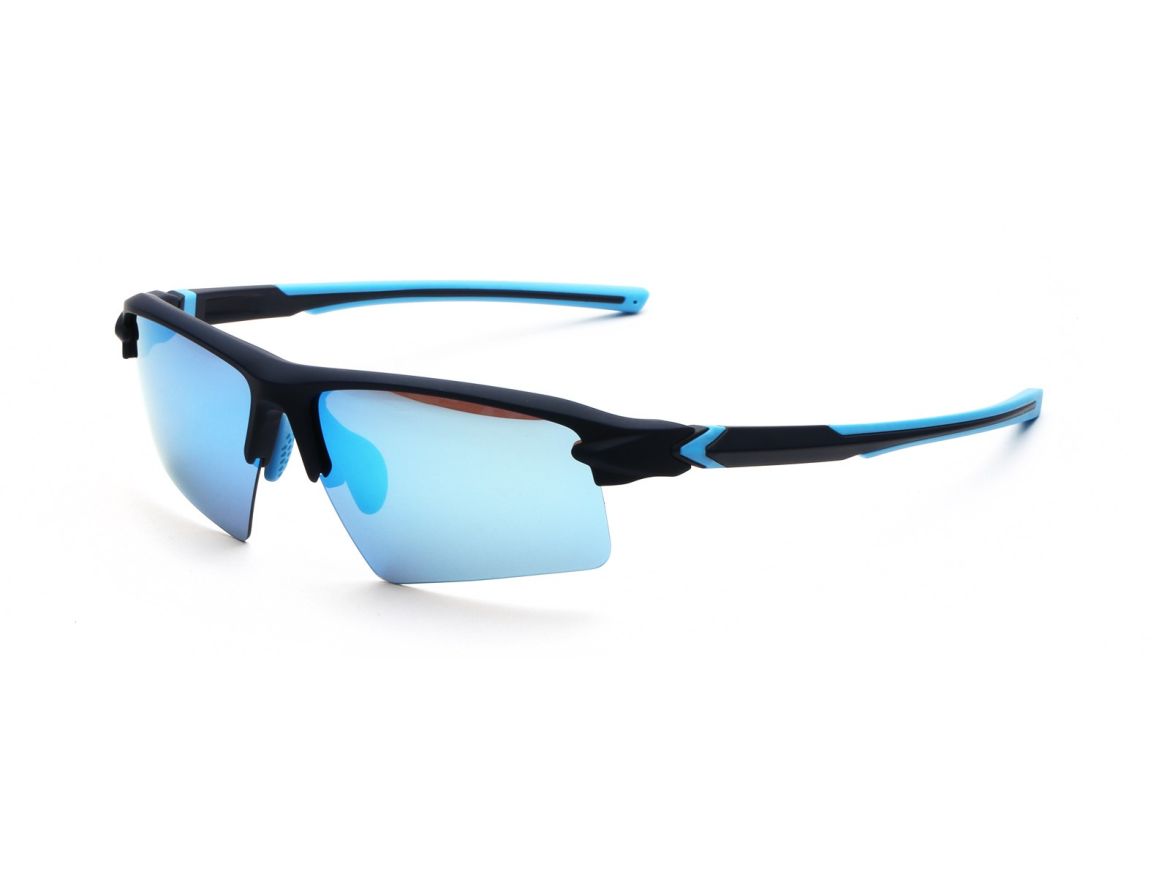
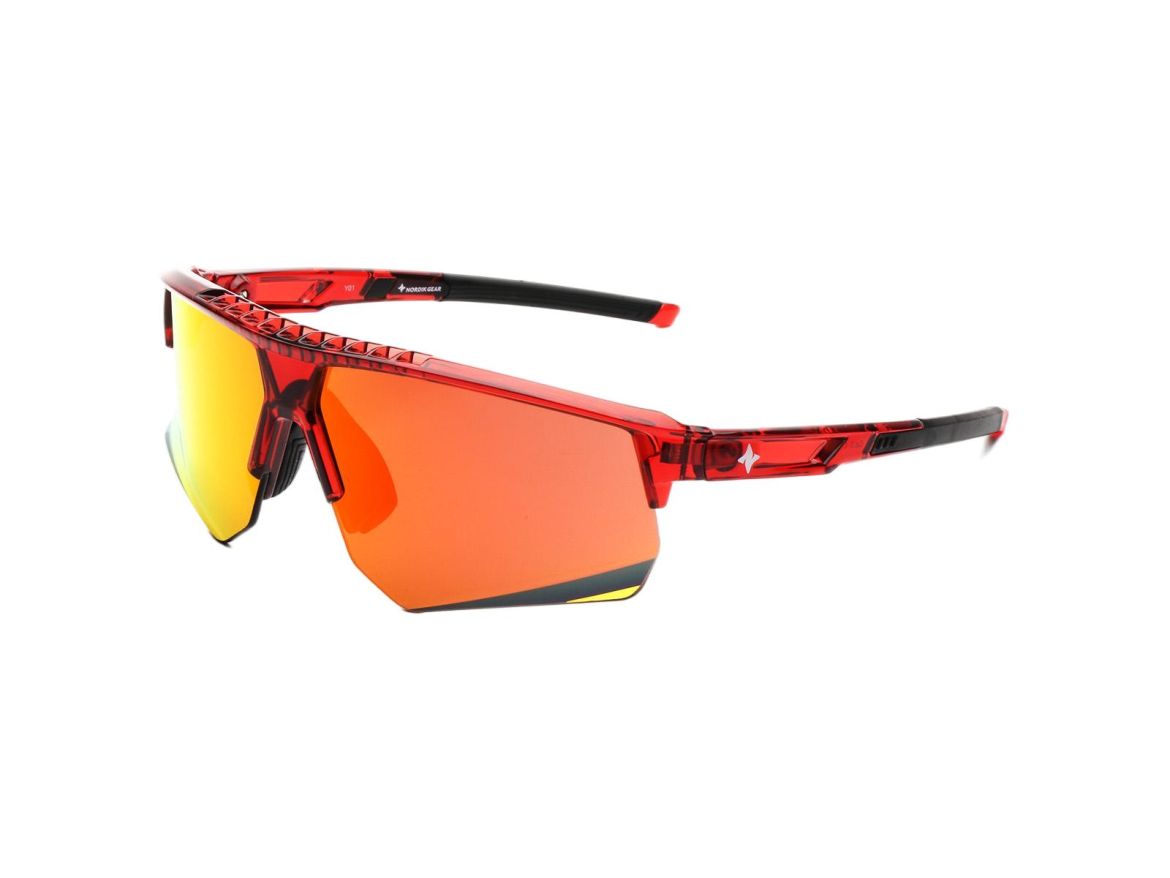
- Polarized Lenses: The standard for baseball. Polarization eliminates glare reflected off the field, dirt, and bleachers. Pair with a blue mirror coating for outfield brightness or a red mirror for contrast when batting and playing infield. Polycarbonate polarized lenses combine impact resistance with glare protection in one lens.
- Rose/Copper: These tints offer good contrast and depth perception. They’re a good option for partly cloudy days but might not be dark enough for very bright conditions. ($50 - $150)
What most players don't realize: Lens material matters too. Polycarbonate lenses are impact-resistant, crucial for a sport where balls (and bats!) can fly at high speeds. They're also lightweight and offer excellent optical clarity. Trivex is another excellent impact-resistant option, often lighter than polycarbonate but potentially more expensive.
What about frame style and features?
Frames need to be functional and comfortable. Here’s what to consider:
- Wrap-around or Semi-Wrap Frames: These provide maximum coverage, blocking peripheral glare and providing greater protection from errant balls or elbows.
- Secure Fit: Sunglasses should stay put, even during vigorous activity. Rubberized nose pads and temple tips are essential.
- Lightweight Materials: Frames made from materials like nylon or TR90 are comfortable for extended wear and won't weigh you down.
- Ventilation: Frames with ventilation help prevent fogging, which can be a major issue in humid conditions.
- Impact Resistance: Again, prioritize durable frame materials that can withstand accidental impacts.
A note on fit: Ill-fitting sunglasses can cause discomfort, pressure points, and even headaches. Getting properly fitted by an optometrist is worth the investment, especially for younger players whose faces are still developing.
How do different positions on the field influence sunglass choice?
The ideal sunglasses vary depending on where you play:
- Pitcher: Prioritize glare reduction and a secure fit. They need to maintain a clear, consistent view of the catcher, so polarization might not be ideal if the sun is low. A grey or green tint is a solid choice.
- Catcher: Similar to pitchers, glare reduction is key, but they also need to track the pitcher’s movements. A slightly darker tint might be preferable.
- Infielders: They need good peripheral vision and contrast to react quickly to ground balls. Amber or brown tints can help the ball stand out against the dirt.
- Outfielders: Contrast is critical. They’re constantly tracking the ball against a bright sky and varying backgrounds. Amber, brown, or green tints with polarization are excellent choices.
- Baserunners: Secure fit and wide field of vision are paramount.
Are there any specific considerations for youth baseball players?
Absolutely. Young players are more susceptible to eye injuries, making impact resistance even more crucial. Look for:
- Junior-sized frames: Frames that fit properly are essential for comfort and safety.
- Polycarbonate lenses: Non-negotiable for youth sports.
- Wraparound styles: Maximize coverage and protection.
- Bright colours: While style matters, prioritize visibility.
In Okotoks and surrounding areas like Calgary, with our unpredictable Alberta weather, having a versatile pair of sunglasses that can handle both sunny and overcast conditions is a smart investment.
What about sunglasses at night or in low-light conditions?
Generally, wearing sunglasses at night is a poor idea, as it drastically reduces visibility. However, some players experience significant glare from stadium lights. In these cases, a very lightly tinted lens (category 0 or 1) might help reduce glare without significantly impacting vision. This is rare, and I always advise erring on the side of caution.
How much should I expect to spend?
Sunglasses for baseball can range from $50 for basic options to $300+ for high-end, performance-oriented models. Here's a rough guide:
- Budget-friendly ($50 - $100): Basic polycarbonate lenses, less durable frames. Suitable for recreational players.
- Mid-range ($100 - $200): Polycarbonate or Trivex lenses, more durable frames, potentially polarized options. Good for serious amateurs.
- Premium ($200+): High-quality lenses, lightweight and durable frames, advanced features like interchangeable lenses and anti-fog coatings. Ideal for competitive players.
Remember, investing in quality eyewear is an investment in your performance and, more importantly, your eye safety.