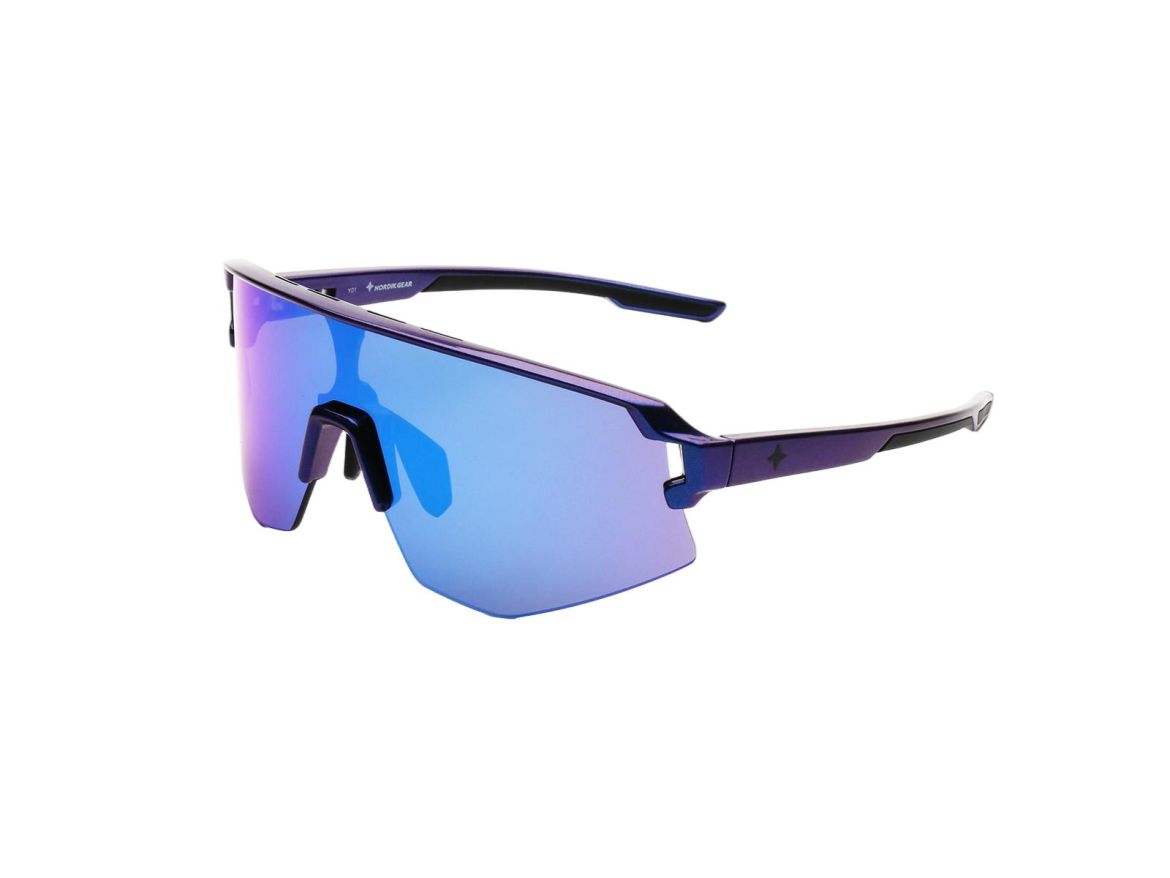
Running Sunglasses That Actually Stay on Your Face

2024-06-10

The Bounce Test

Running sunglasses have one job that separates them from every other category: they need to stay put while your head bounces up and down thousands of times per hour. Every footstrike sends a jolt through your body, and if your sunglasses are not locked onto your face, they gradually slide down your nose, bounce on the bridge, and eventually become so annoying that you shove them on top of your head and run without them.

That last part is the real problem. Running without eye protection under bright sun leads to squinting, which creates tension in your face and neck, which wastes energy and causes headaches. Over years of unprotected exposure, cumulative UV damage contributes to cataracts and macular degeneration. Good running sunglasses should feel like they disappear the moment you put them on. If you are adjusting them during a run, they are the wrong pair.

What Keeps Sunglasses on Your Face

Rubber Nose Pads

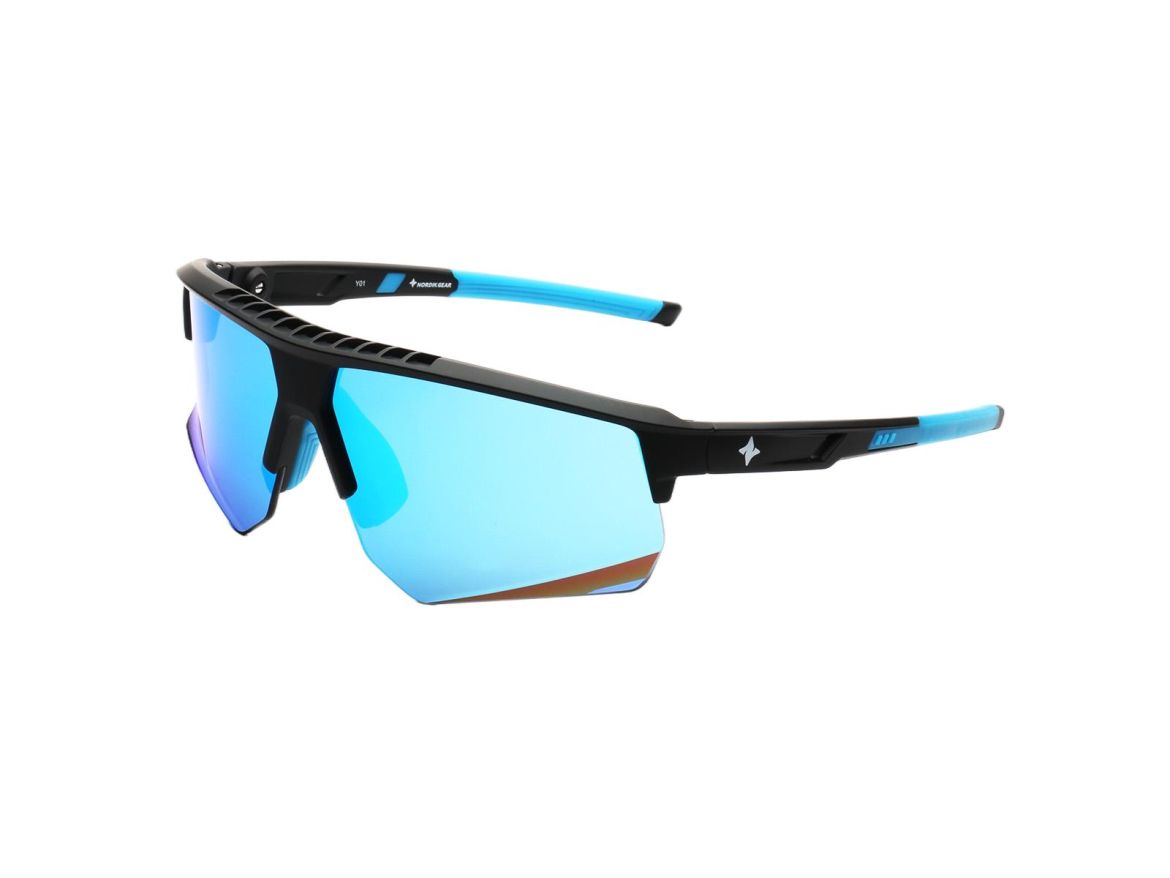
This is the single most important feature. Hydrophilic rubber nose pads grip better when wet, which is the opposite of what regular plastic does. As you sweat, the grip increases rather than decreases. This is not marketing spin. The material is specifically engineered to become tackier with moisture. If the sunglasses you are considering have smooth, hard plastic nose pads, they are not running sunglasses regardless of what the label says.

Adjustable rubber nose pads are even better. Every nose is shaped differently, and the ability to bend the nose pad arms slightly inward or outward lets you dial in a fit that spreads the weight evenly across the bridge of your nose. Uneven pressure creates hot spots that become intolerable on long runs.

Temple Grip

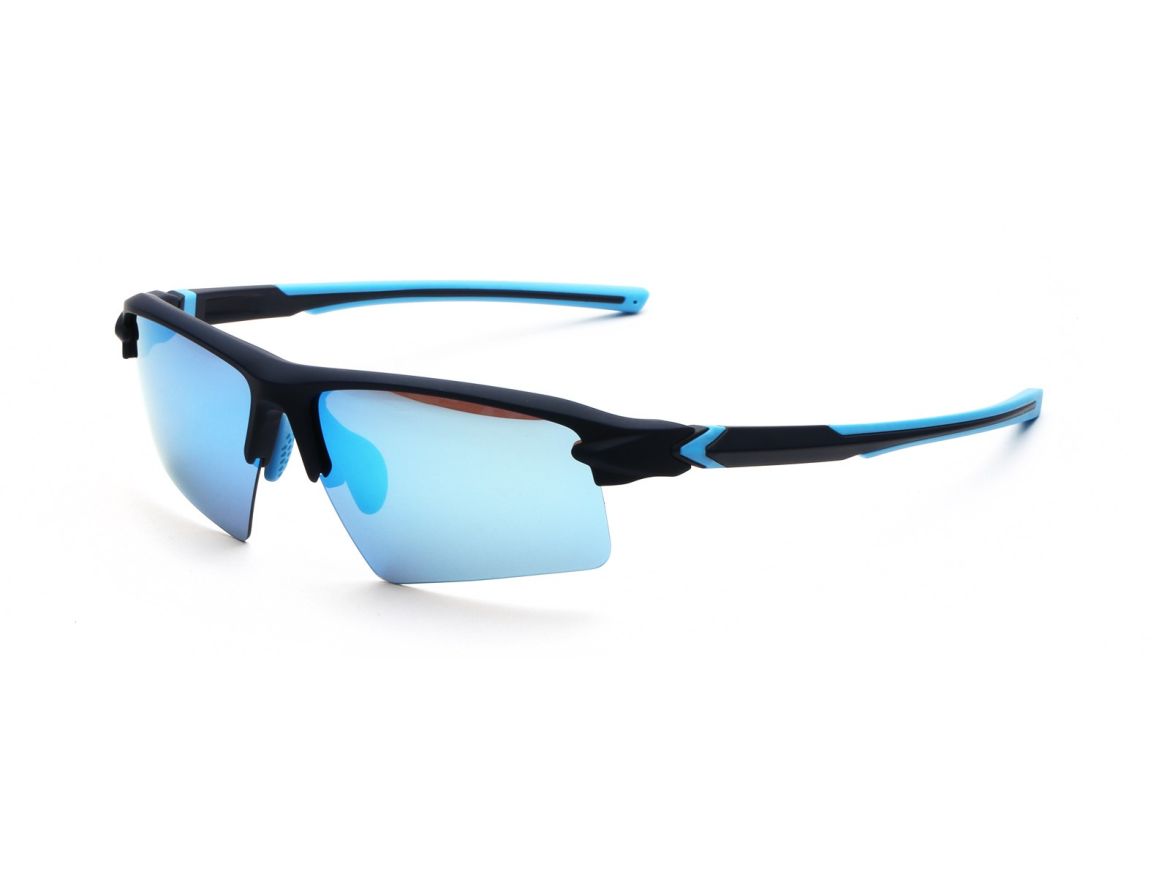
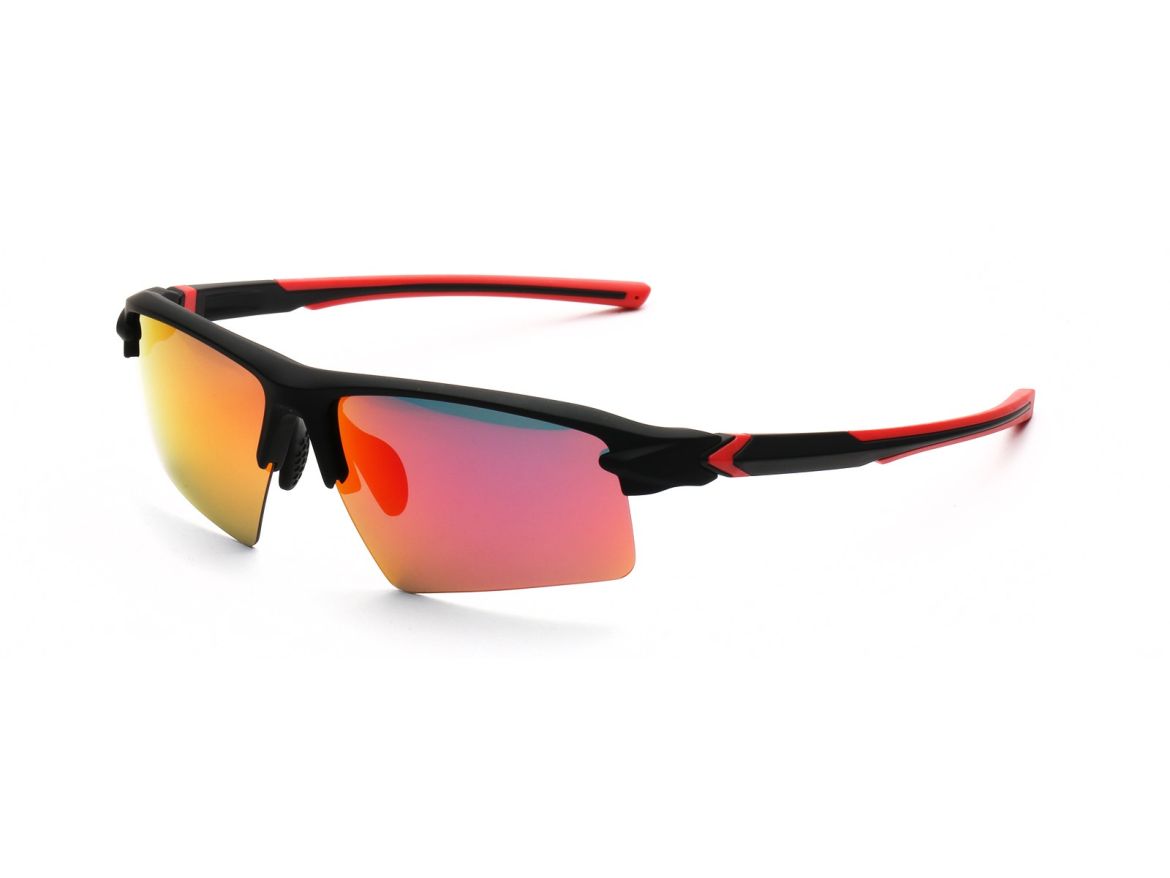
The ends of the temple arms, the parts that hook behind your ears, need the same grippy rubber treatment. Smooth plastic slides on sweaty skin. Rubber grips it. Some running frames use a full rubber sleeve over the temple tips. Others integrate rubber pads at specific contact points. Both work. What does not work is bare plastic against wet skin.

Weight

Running sunglasses should weigh under 30 grams. Ideally, under 25. Every gram you hang on your face gets amplified by the constant bouncing motion of running. A 40-gram pair of fashion sunglasses feels manageable in the shop but becomes noticeably heavy at kilometre 15. The lightest running-specific frames come in around 20 grams, which is genuinely light enough that you forget you are wearing them.

Polarized vs. Non-Polarized for Running

This depends entirely on where you run. For road running on bright days, polarized lenses cut the glare off pavement and car windshields beautifully. The reduction in reflected brightness makes long runs in direct sun considerably more comfortable.

For trail running, the picture gets murkier. Polarized lenses can make it harder to spot wet rocks, roots, and ice because they remove the reflective sheen that your brain uses as a warning signal. On a wet trail, a non-polarized lens lets you see the shiny surfaces that indicate slippery footing. A polarized lens removes that shine, making wet and dry surfaces look the same. For technical trails where footing matters, this is a legitimate safety concern.

The practical recommendation: if you mostly run roads, sidewalks, and well-groomed paths, polarized is great. If you run technical trails with rocks, roots, and variable surfaces, non-polarized gives you more terrain information. If you do both, pick based on where you spend the majority of your running time.

Lens Tint for Running

Rose and Amber: Trail Contrast

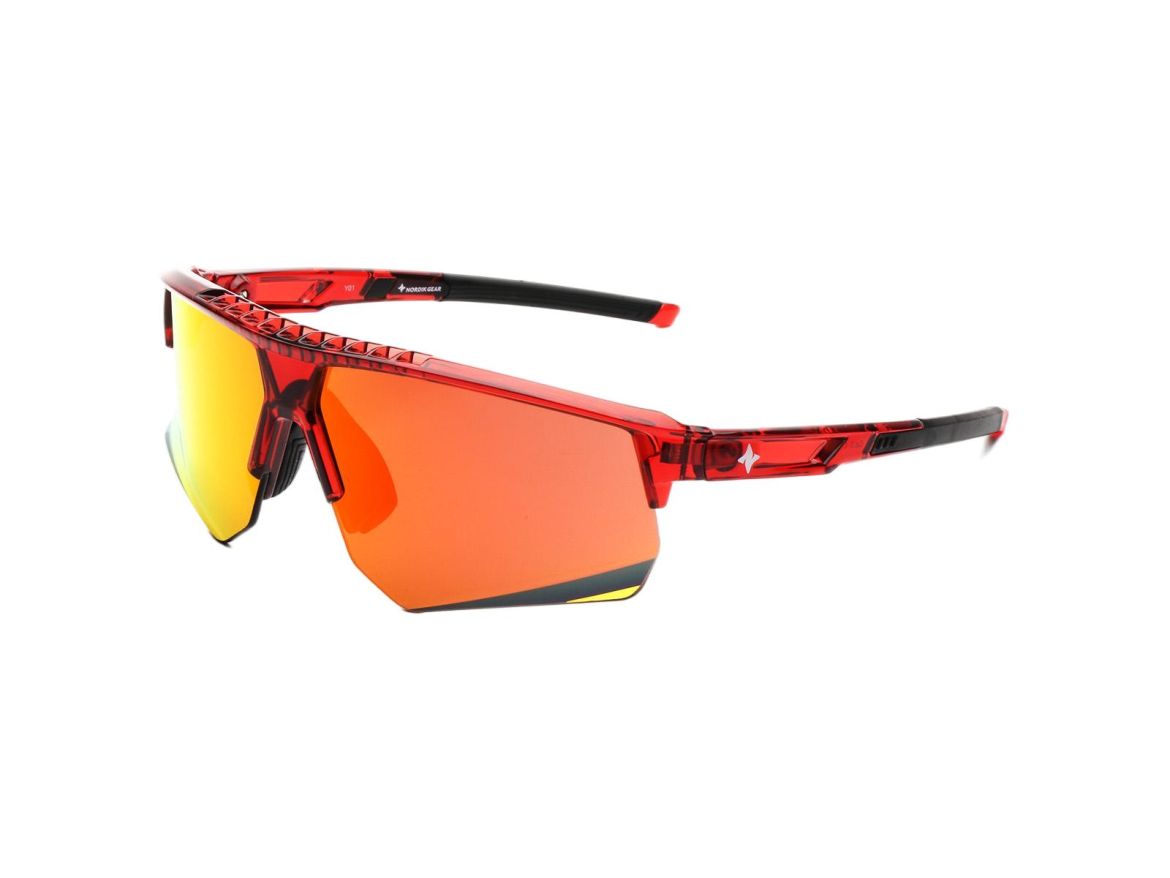
Trail runners benefit from rose or amber tints that enhance contrast between the trail surface and obstacles. Roots, rocks, and shadows become more distinct. These warm tints also work well in the dappled light of forest trails where sun and shade alternate constantly.

Grey: Road Comfort

Grey lenses reduce brightness without colour distortion. For road running, where the visual demands are simpler (you mainly need to see the path ahead and spot traffic), grey polarized is comfortable and effective. It is also the least fatiguing tint for very long runs because your brain does not have to compensate for shifted colours.

Photochromic: The Versatile Choice

If you run at different times of day or on routes that move between sun and shade, photochromic lenses adapt automatically. Start your run at dawn in nearly clear lenses and finish in the bright morning sun with them darkened. For runners who do not want to think about which sunglasses to grab, photochromic is the easy answer.

Sweat Management

Running generates more sweat than almost any other activity. On a hot Alberta summer day, sweat will pour down your forehead and directly into the space between your eyebrows and the top of the lens. Frames with a brow bar or brow pad that channels sweat to the sides rather than letting it drip onto the lens make a real difference. Some frames have small drainage channels built in specifically for this.

Lens treatments matter here too. A hydrophobic coating causes sweat drops to bead up and roll off rather than smearing across the lens. Without this coating, a single drip turns into a streaky mess that you have to wipe mid-stride.

Prescription Running Sunglasses

Running with poor vision is a trip hazard on trails and a traffic hazard on roads. If you need correction, prescription running sunglasses are a legitimate safety investment, not a luxury.

For runners, lightweight is paramount, which means prescription lenses in a sport frame need to be as thin as possible. Higher-index lens materials (1.60 or 1.67) reduce weight and thickness for stronger prescriptions. A good optician will also consider the frame curvature when calculating the lens, since sport frames wrap more than regular glasses, which changes how the prescription performs at the edges.

Prescription sport inserts that clip behind a non-prescription shield lens are another option. They add a few grams of weight but work with any frame and allow you to swap shield tints without buying multiple prescription lenses.

What About Straps?

Retainer straps are a practical solution, not a fashion statement. If you run in conditions where losing your sunglasses would be a real problem, like mountain trails or races where you cannot stop, a thin elastic strap that connects the temple tips behind your head adds genuine security. Many ultramarathon runners use them as standard equipment.

That said, if you need a strap to keep your sunglasses from falling off during a normal run, the fit is wrong. A well-fitted pair of running sunglasses with rubber grip points should stay put without any strap on flat to moderate terrain. The strap is insurance for extreme conditions, not a substitute for proper fit.

Buying Checklist

  • Rubber nose pads that grip when wet (hydrophilic material)
  • Rubber temple tips for behind-the-ear grip
  • Under 30 grams total weight, ideally under 25
  • Lens tint matched to your terrain (rose/amber for trails, grey for roads, photochromic for variety)
  • Non-polarized if you run technical trails with wet surfaces
  • Hydrophobic lens coating to shed sweat drops
  • Brow design that channels sweat away from the lenses

Come in wearing your running clothes (or at least your running hat if you wear one) and try frames on while moving your head. A quick nod up and down in the shop tells you more about fit than twenty minutes of standing still.

Need an Eye Test?

Free Essilor R800 eye test with every eyewear purchase. Book online or call (587) 997-3937.

Book Now 3-for-1 Deal