2025-02-03
Cricket is a sport of split-second decisions. A bowler delivers the ball at up to 150 km/h, and a batter has roughly half a second to read the trajectory, judge the bounce, and execute a shot. Now imagine doing that while squinting into direct sunlight or fighting the glare bouncing off a freshly rolled pitch. The right sunglasses aren't a luxury for cricketers — they're a competitive advantage and a safety essential.
As opticians who fit eyewear for athletes regularly here in Okotoks, we've put together this guide covering exactly what to look for when choosing cricket sunglasses — whether you're a weekend club player or competing at a high level.
Why Cricket Players Need Specialized Sunglasses
Standard fashion sunglasses won't cut it for cricket. Here's why the sport demands purpose-built eyewear:
- Ball speed and impact risk. A cricket ball weighs 156 grams and can cause orbital fractures, corneal abrasions, or worse on direct impact. Fashion sunglasses can shatter on contact, making the injury worse than wearing nothing at all.
- Intense glare. White clothing, white pitch markings, and the ball itself all reflect sunlight. This washes out contrast and makes tracking the ball significantly harder, especially for fielders looking skyward for a catch.
- UV exposure over long innings. A full day in the field means 6+ hours of UV exposure. Over time, this increases the risk of cataracts, pterygium, and macular degeneration — all conditions we see regularly in our practice.
- Variable light conditions. Cloud cover shifts, shadows move across the pitch, and matches can run from bright midday into late afternoon. Your lenses need to perform across all of these conditions.
Choosing the Right Lens Material
The lens material determines both safety and optical quality. Here's how the main options compare for cricket:
| Material | Impact Resistance | Optical Clarity | Weight | Best For |
|---|---|---|---|---|
| Polycarbonate | Excellent (10x glass) | Very good | Light | Most cricket players |
| Trivex | Excellent | Superior | Very light | Players needing prescription lenses |
| Glass | Poor (shatters) | Excellent | Heavy | Not suitable for cricket |
| Standard plastic | Low | Good | Light | Not suitable for cricket |
Our recommendation: Polycarbonate is the go-to for cricket. It absorbs impact energy rather than shattering, blocks 100% of UV rays naturally, and is light enough to wear comfortably for an entire day in the field. If you need a prescription, Trivex offers a slight edge in optical sharpness.
Lens Tints: What Works Best on the Pitch
Different tint colours serve different purposes. Choosing the right one depends on your position and the conditions you typically play in:
- Grey — Reduces brightness evenly without changing colour perception. The most versatile choice for consistently sunny conditions. Ideal for batters who need accurate colour reading of the ball.
- Brown / Amber — Boosts contrast and enhances depth perception. Excellent for variable light — overcast mornings that clear into bright afternoons. Great for fielders tracking a high ball against a partly cloudy sky.
- Green — Balances contrast enhancement with natural colour accuracy. A strong all-rounder if you play across different conditions regularly.
- Rose / Copper — Heightens contrast against blue and green backgrounds. Useful for outfielders who spend the day tracking balls against the sky and grass.
Polarized vs Tinted: Which Is Better for Cricket?
This is one of the most common questions we get, and the answer depends on your position.
Polarized lenses are the standard for cricket eyewear. They eliminate horizontal glare — the reflections bouncing off white clothing, pads, and flat surfaces — giving you a cleaner view of the ball in any condition.
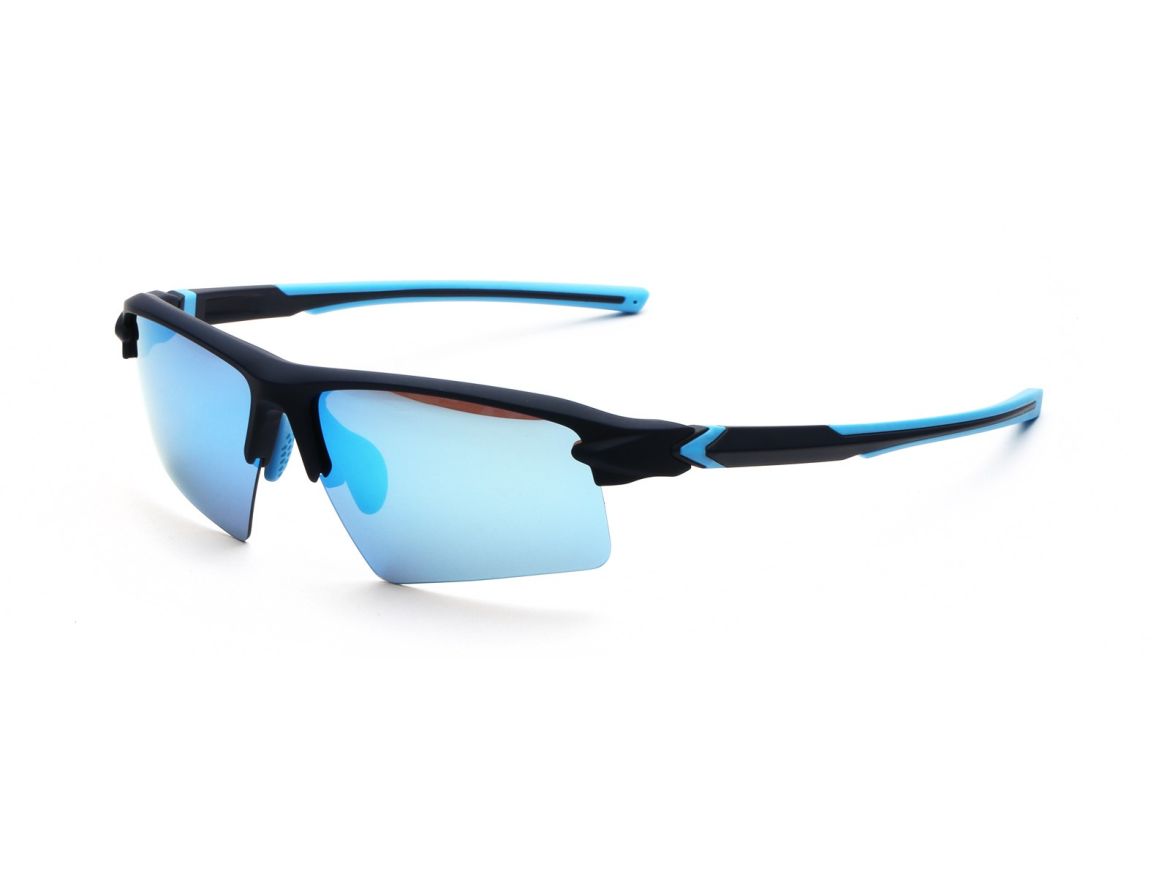
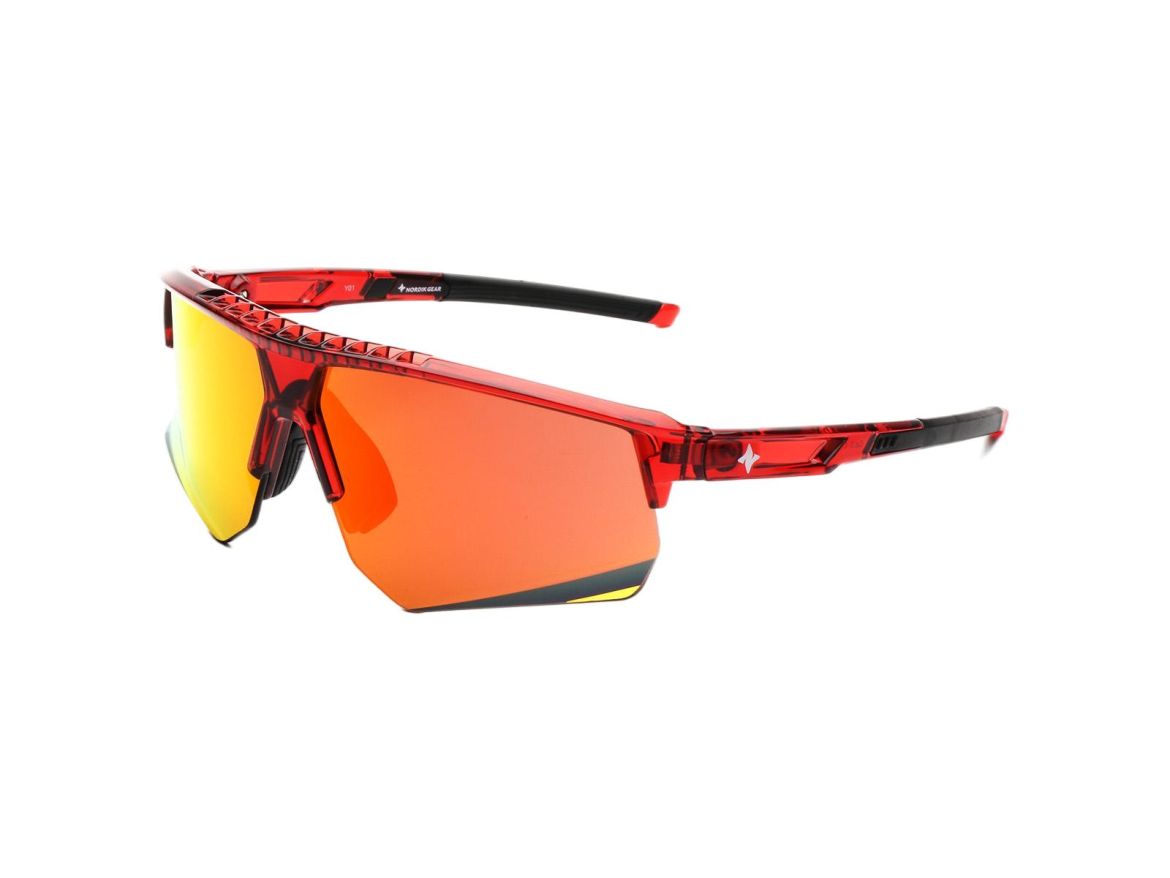
The key decision is which mirror finish to pair with the polarization. Blue mirror polarized lenses cut intense overhead brightness, making them ideal for fielders tracking catches against bright Alberta skies. Red mirror polarized lenses boost contrast and depth perception, helping bowlers read the pitch surface and batters pick up the ball earlier.
Many players keep both in their cricket bag and swap based on conditions and position. Either way, polarized polycarbonate gives you UV protection, impact resistance, and glare reduction in one lens.
Frame Features That Matter for Cricket
A great lens in a poor frame is still a liability. Here's what to prioritize:
- Wraparound design. Blocks peripheral light and debris. Also prevents the ball from slipping in from the side during close fielding.
- Non-slip grip. Rubberized nose pads and temple tips keep the sunglasses locked in place when you're sprinting, diving, or sweating through a long spell in the field. Oakley's Unobtainium material is a good example — it actually grips better when wet.
- Lightweight construction. Anything over 30 grams will start to feel heavy after a few hours. TR90 nylon and polycarbonate frames are the lightest durable options.
- Ventilation. Vented frames prevent fogging in humid conditions or during intense physical effort — a common issue for bowlers running in repeatedly.
- Secure strap option. For wicketkeepers and close catchers, a retention strap ensures the sunglasses stay put during quick movements.
Recommendations by Position
Batters
Red mirror polarized lenses are ideal for batters. The contrast boost helps you pick up the ball earlier out of the bowler's hand, and the polarization cuts the glare off the pitch surface that causes squinting. Lightweight frames with a low-profile wraparound work best so they don't interfere with your helmet's visor or grille.
Fielders (Boundary & Outfield)
Blue mirror polarized lenses are the top choice for fielders. You'll spend your day tracking balls against the sky, and the polarization cuts the harsh glare that washes out contrast on high catches. The blue mirror coating knocks down intense overhead brightness. Full wraparound frames with non-slip grip are essential — you don't want your sunglasses flying off during a diving catch.
Bowlers
Red mirror polarized lenses give bowlers a contrast advantage, making it easier to read the pitch and pick your line. The enhanced depth perception helps judge length and spot where the ball will grip. Lightweight, ventilated frames with anti-fog coating are a must since bowlers generate heat on every run-up.
Wicketkeepers
Impact protection is critical here — you're closest to the ball with the least reaction time. Polycarbonate lenses in a secure full-coverage wraparound frame like the NG507. Blue mirror polarized lenses help you track the ball against bright sky on pop-ups and edges, which is essential for quick reactions behind the stumps.
Prescription Options for Cricket Players
If you wear corrective lenses, you don't have to choose between seeing clearly and protecting your eyes. There are several solid options:
- Prescription sport sunglasses. Custom-made with your prescription ground directly into impact-resistant polycarbonate or Trivex lenses. This is the ideal solution — one pair that handles vision correction, UV protection, and impact resistance.
- Contact lenses plus sport sunglasses. Wear your contacts underneath non-prescription cricket sunglasses. This gives you a wider field of view and eliminates any optical distortion from curved prescription lenses.
- Prescription inserts. Some sport frames accept a clip-in prescription insert behind the main lens. A more affordable option, though the insert can fog up.
We fit prescription sport eyewear regularly at Fantastic Glasses. If you're a cricketer with a prescription, book an appointment and we'll walk you through the best option for your position and budget.
Caring for Your Cricket Sunglasses
Sport eyewear takes a beating. A few habits will keep your investment performing:
- Store them in a hard case when not in use — soft pouches don't protect against a kitbag full of gear.
- Clean lenses with a microfiber cloth and lens cleaner. Sweat, sunscreen, and grass stains degrade coatings over time.
- Check the nose pads and temple grips each season. Rubber compounds dry out and lose grip — most are replaceable.
- If you play regularly, consider having a backup pair in your bag. One ball to the face and you'll be glad you did.
Visit Us in Okotoks
Whether you play cricket, baseball, golf, or any outdoor sport, proper eye protection makes a measurable difference to both your safety and your performance. At Fantastic Glasses in Okotoks, we carry Maui Jim, Oakley, and Ray-Ban — all of which offer models well-suited to cricket. We can also fit prescription lenses into most sport frames.
See our cricket sunglasses collection for three sport frame styles with polycarbonate lenses in blue mirror and red mirror finishes — all available in prescription.
Drop in or book online — we'll help you find the right pair for your game.