2025-01-22
Sunglasses for Baseball: Eye Protection and Glare Reduction for Players
As an optometrist with years of experience, I've seen a surprising number of sports-related eye injuries – many of which are preventable with the right eyewear. Baseball, in particular, presents unique visual challenges. It’s not just about looking cool; it's about protecting your vision and enhancing performance. This isn't a one-size-fits-all situation, so let’s dive deep into what baseball players – from little leaguers to adults playing in recreational leagues around Okotoks, Alberta – should consider when choosing sunglasses.
What are the Real Risks to a Baseball Player’s Eyes?
Most people immediately think of getting hit by a ball or a bat. While these are serious threats (and impact-resistant eyewear is critical!), they aren't the only concerns. Consider these often-overlooked risks:
- UV Exposure: Prolonged sun exposure, even on cloudy days, contributes to cataracts, macular degeneration, and pterygium (tissue growth on the cornea). Baseball players spend a significant amount of time outdoors, making UV protection essential.
- Glare: Glare from the sun reflecting off the field, particularly off light-colored dirt, can significantly impair vision, reducing contrast and making it difficult to track the ball. This affects reaction time and accuracy.
- Peripheral Vision: Many sunglasses restrict peripheral vision, crucial for tracking runners and reacting to plays happening outside your direct line of sight.
- Dust and Debris: Dry, windy conditions are common on baseball fields. Dust, dirt, and even insects can irritate and damage the eyes.
What Features Should I Look for in Baseball Sunglasses?
Let's break down the key features, moving beyond marketing jargon:
Impact Resistance: The #1 Priority
This isn’t negotiable. Look for sunglasses that meet or exceed the ASTM F803 standard for impact resistance. This standard tests the lenses and frames to withstand high-velocity impacts. Polycarbonate lenses are generally the gold standard here. They're incredibly durable, lightweight, and offer excellent optical clarity. Avoid glass lenses – they shatter on impact and pose a severe risk. Many affordable options claim impact resistance, so always verify they meet ASTM F803. A good pair will likely cost you between $60 and $200.
UV Protection: 100% is Non-Negotiable
Ensure the sunglasses block 100% of both UVA and UVB rays. The label should specifically state this. Don’t assume darker lenses automatically mean better UV protection; it’s the coating on the lens that matters. UV protection doesn’t diminish with time, but scratches can reduce effectiveness, so take care of your lenses.
Lens Tint: Finding the Right Balance
This is where it gets interesting. Different tints perform better in different conditions:
- Grey: Reduces brightness and glare without distorting colours. A good all-around choice for sunny days.
- Amber/Brown: Enhances contrast, making them excellent for partly cloudy conditions or when the ball appears against a bright sky. Many hitters prefer amber lenses.
- Green: Provides good contrast while maintaining colour balance.
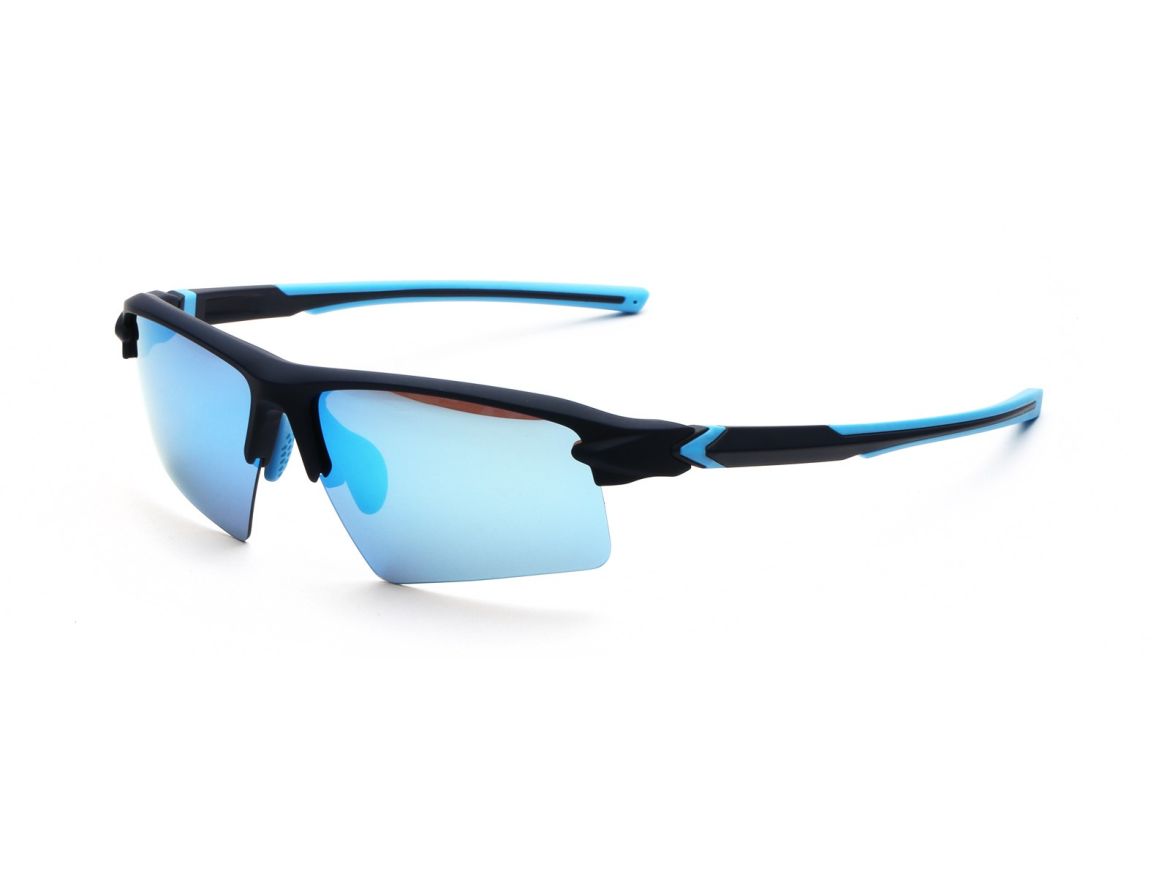
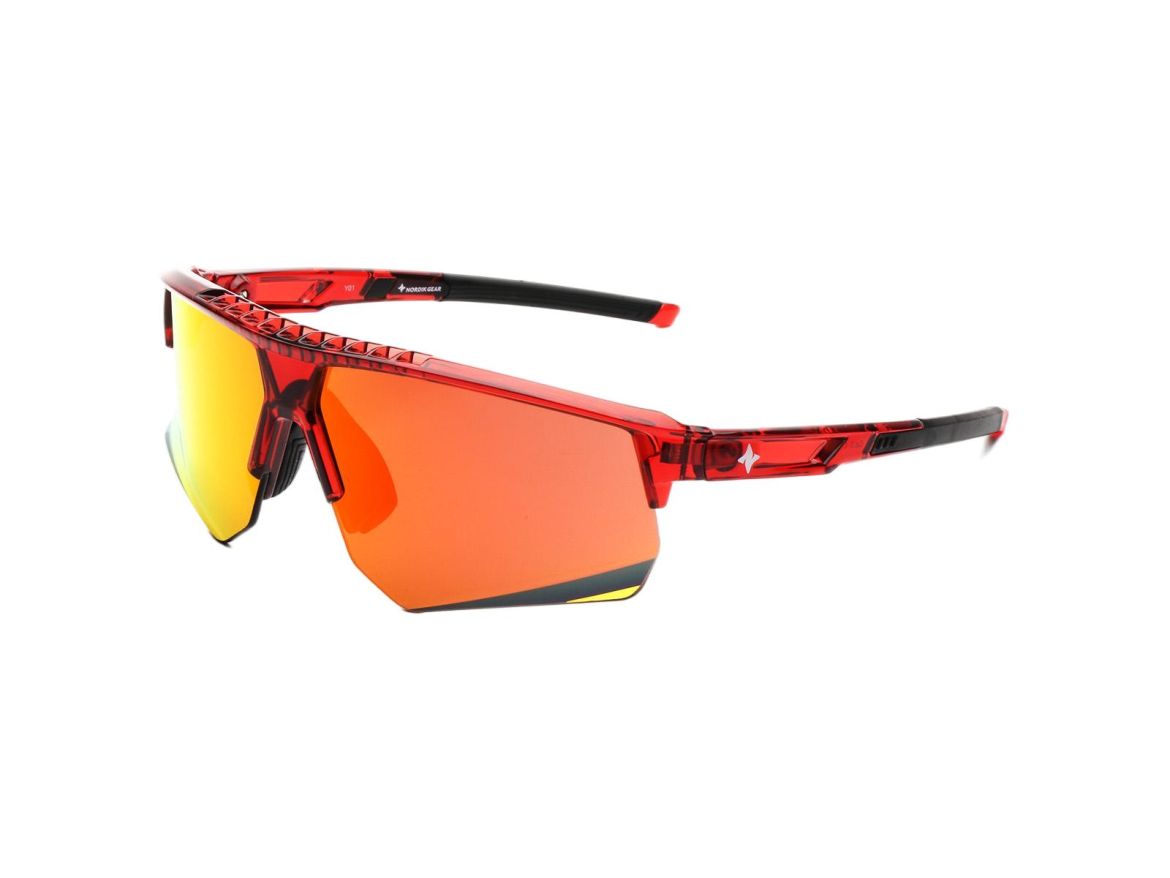
- Polarized: The standard for baseball. Eliminates glare reflected off the field, dirt, and bleachers. Pair with a blue mirror for outfield brightness or red mirror for batting and infield contrast. Essential for any serious player.
Experiment to see what works best for your vision and the typical lighting conditions you play in. I often recommend players have two pairs – one with grey/green for bright sun, and one with amber/brown for more variable light.
Frame Fit & Coverage: Beyond Comfort
The frame should fit snugly and securely without pinching. A wraparound style provides better coverage, shielding your eyes from peripheral glare, dust, and stray balls. Look for frames made of durable materials like nylon or a polycarbonate blend. Consider these points:
- Nose Pads: Adjustable nose pads can help achieve a comfortable and secure fit.
- Temple Tips: Rubber or non-slip temple tips prevent the sunglasses from sliding off during activity.
- Ventilation: Frames with ventilation holes reduce fogging, especially in humid conditions.
Sunglasses for Different Positions & Needs
The “best” sunglasses aren’t the same for everyone. Here's how needs can vary:
- Pitchers: Blue mirror polarized for a clean view of the batter’s box with reduced glare. Lightweight frames are essential. Impact resistance is paramount.
- Outfielders: Blue mirror polarized to cut sky glare and track fly balls clearly. Wraparound frames are ideal for maximizing peripheral vision.
- Infielders: Red mirror polarized to boost contrast and read ground balls off the dirt with sharper depth cues.
- Catchers: Require maximum protection from stray balls and pitches. A full-coverage mask is recommended, but sunglasses underneath can further reduce glare and protect from dust.
- Players with Light Sensitivity: Consider lenses with a higher VLT (Visible Light Transmission) even with a darker tint, or photochromic lenses that adjust to changing light conditions.
Are Expensive Sunglasses Worth It?
Not necessarily. While premium brands often offer superior materials, construction, and optical quality, you can find effective and safe baseball sunglasses within a reasonable budget. The key is to prioritize impact resistance and UV protection above brand name. A $75-$150 pair meeting ASTM F803 with polycarbonate lenses and good UV blocking is perfectly adequate for most players. Spending $200+ might get you lighter frames, more comfortable nose pads, and slightly sharper optics, but it won't necessarily make you a better player or provide significantly more protection.
What About Prescription Sunglasses?
If you require vision correction, prescription sunglasses are an excellent investment. You have a few options:
- Prescription Sports Sunglasses: These are specifically designed for high-impact sports and offer the best combination of protection and vision correction. They’re the most expensive option, typically starting around $250-$400.
- Prescription Inserts: These are small lenses that fit inside a standard pair of sports sunglasses. They’re a more affordable option, costing around $100-$200, but may not offer the same level of peripheral vision as prescription sports sunglasses.
- Contact Lenses: Wearing contact lenses allows you to wear non-prescription sports sunglasses. This is a convenient option, but requires proper contact lens care and may not be suitable for everyone.
It’s important to have your prescription updated annually to ensure optimal vision and comfort.
When Should I Replace My Baseball Sunglasses?
Even the most durable sunglasses will eventually wear out. Replace them if:
- The lenses are scratched or damaged.
- The frames are broken or distorted.
- The UV protection has diminished (though this is rare with quality lenses).
- The fit is compromised, reducing protection.
As a general rule, replace your sports sunglasses every 2-3 years, or sooner if they’ve sustained significant impact.
Protecting your eyes during baseball is crucial. Don't compromise on safety. By considering these factors, you can choose sunglasses that provide the protection, comfort, and visual enhancement you need to perform your best on the field.
https://fantasticglasses.ca/book/