2026-03-14
Why Baseball Demands Specific Eyewear
A fastball crosses home plate at 140 km/h or faster. A line drive off an aluminium bat can exceed 160 km/h. Your eyes have roughly 400 milliseconds to track the pitch from release point to the strike zone, and every fraction of that window counts. Baseball is one of the most visually demanding sports there is, and if you need prescription lenses, the wrong eyewear will cost you at the plate, in the field, and potentially in the emergency room.
Calgary-area players face additional challenges that make proper baseball glasses even more important. Alberta summer games can stretch three hours under direct sun, and conditions shift quickly from bright afternoon glare to long evening shadows during late innings. Elevation means more UV exposure than players in lower-altitude cities experience. Dry Chinook winds carry dust and grit that irritate unprotected eyes. And because baseball involves hard objects moving at high speed toward your face, impact protection is not optional — it is the baseline.
Three Prescription Approaches for the Diamond
If you wear a prescription and play baseball, you have three legitimate options. Each has trade-offs. The right choice depends on your prescription strength, position, and how often you play.
1. Direct Prescription Sport Frames
This is the cleanest solution for most players. Brands like Oakley, Rudy Project, and Smith manufacture wraparound sport frames that accept prescription lenses ground directly into the frame. The key detail is wrap-angle compensation. A sport frame that curves around your face positions the lens at a different angle than a flat dress frame, which distorts the prescription if the lab does not compensate. Any optician fitting you for baseball glasses needs to calculate the wrap angle (typically 10 to 20 degrees) and the pantoscopic tilt, then send those values to the lab so the prescription is adjusted accordingly. Without this step, you will notice blurred peripheral vision and may misjudge fly balls.
Direct Rx sport frames give you the widest field of view, the lightest weight, and the best optical clarity of the three options. They are the preferred choice for players who are on the diamond multiple times per week.
2. Prescription Inserts Behind the Main Lens
Some sport frames accept a small prescription carrier that clips behind the primary plano (non-prescription) shield lens. This lets you swap tinted or clear outer lenses for different lighting conditions without needing a separate prescription for each. The downside is a slight reduction in optical quality — you are looking through two layers of lens material — and the insert can fog in humid conditions. For recreational league players who want one frame that handles both practice and game day, inserts are a practical middle ground.
3. Contact Lenses Under Non-Rx Sport Sunglasses
Many competitive players prefer daily disposable contacts paired with high-quality non-prescription baseball sunglasses. This approach gives you unrestricted peripheral vision, zero frame interference when you check over your shoulder for a runner, and the full range of sport sunglass options without worrying about prescription compatibility. The trade-off is that contacts can dry out during a long doubleheader, and dust or wind can cause irritation. If you go this route, carry rewetting drops in your bag and consider a wrap frame that blocks wind from reaching your eyes.
Polycarbonate vs Trivex: Which Lens Material for Baseball?
Both materials are impact-rated and dramatically safer than standard CR-39 plastic or glass. Here is how they compare for on-field use:
| Property | Polycarbonate | Trivex |
|---|---|---|
| Impact resistance | Excellent — meets ASTM F803 | Excellent — meets ASTM F803 |
| Weight | Light (1.20 specific gravity) | Lightest (1.11 specific gravity) |
| Optical clarity | Good — Abbe value 30 | Better — Abbe value 43 |
| Chromatic aberration | Noticeable at higher Rx | Minimal — closer to CR-39 clarity |
| UV protection | 100% built-in | 100% built-in |
| Scratch resistance | Needs hard coat (softer base) | Better base scratch resistance |
| Best for | Budget-friendly, lower Rx | Higher prescriptions, sharper optics |
Our recommendation: if your prescription is under +/-4.00 and budget matters, polycarbonate with a quality hard coat does the job well. If you have a stronger prescription or you notice colour fringing in polycarbonate, Trivex delivers noticeably crisper vision and is worth the modest upcharge. Both materials will protect your eyes from a batted ball — that is non-negotiable for baseball.
Frame Features That Matter on the Diamond
Not every sport frame works for baseball. The sport has specific demands that narrow the field:
- Wraparound coverage: You need peripheral protection from foul tips, thrown bats, and wild pitches. A frame that curves at least 15 degrees around the temple shields your eyes from side impacts and blocks wind-blown dust.
- Non-slip grip: Sweat is inevitable. Rubber or hydrophilic temple tips and nose pads that grip harder when wet (like Oakley's Unobtainium) keep the frame locked in place when you sprint for a fly ball.
- Under 30 grams: A nine-inning game is a long time to wear anything on your face. Lightweight frames reduce pressure points and the temptation to take them off between at-bats.
- Helmet and cap compatible: This is the detail most players overlook. Your baseball glasses need to fit comfortably under a batting helmet without the temples pressing into your skull, and the top of the frame should not interfere with a cap brim. Straight or low-profile temples work best — thick, chunky temple arms will dig in under a helmet.
- Ventilation: Fogging kills visibility. Frames with small vent channels above or below the lens allow airflow and reduce condensation, especially during early-season games when air temperatures are still cool.
Tint and Coating Choices for Calgary Conditions
Alberta's long summer days and intense UV make lens tint a serious consideration for baseball players:
- Amber or brown tint: Enhances the contrast of a white ball against a blue or overcast sky. This is the go-to tint for outfielders who need to track fly balls.
- Grey tint: Reduces overall brightness without shifting colour. Good for infielders who need true colour perception to read the ball off the bat.
- Photochromic lenses: Adjust from clear to dark as UV conditions change. Useful for games that start in afternoon sun and finish under evening light, though they do not darken as effectively behind a car windshield or batting cage screen.
- Anti-reflective coating: Reduces ghost images and glare from overhead lights during evening games at parks with field lighting.
Bring Your Batting Helmet to the Fitting
This is the single most practical piece of advice we give baseball players: bring your batting helmet and cap to your fitting appointment. We will check temple clearance under the helmet, ensure the frame does not shift when you pull on your batting gloves, and confirm the top of the lens does not get blocked by a cap brim. A five-minute check in the fitting room prevents weeks of frustration at the plate.
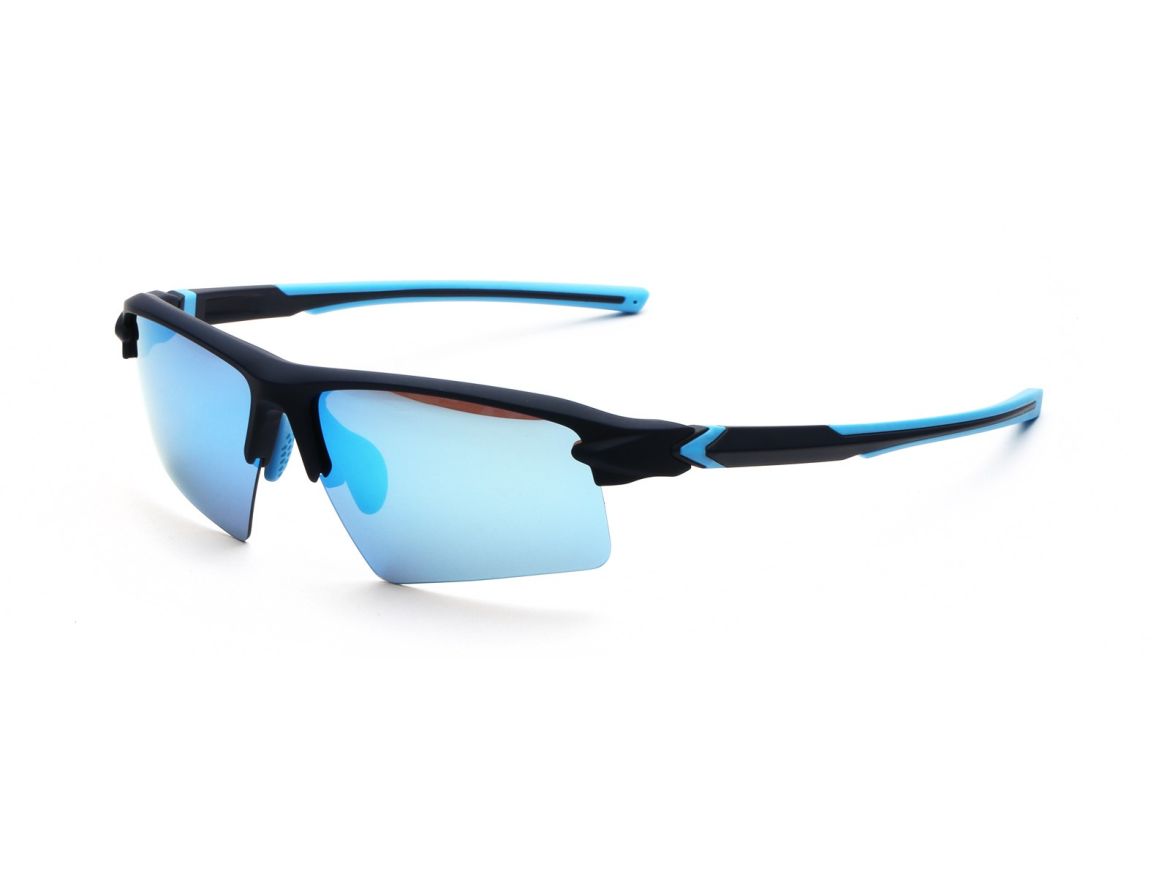
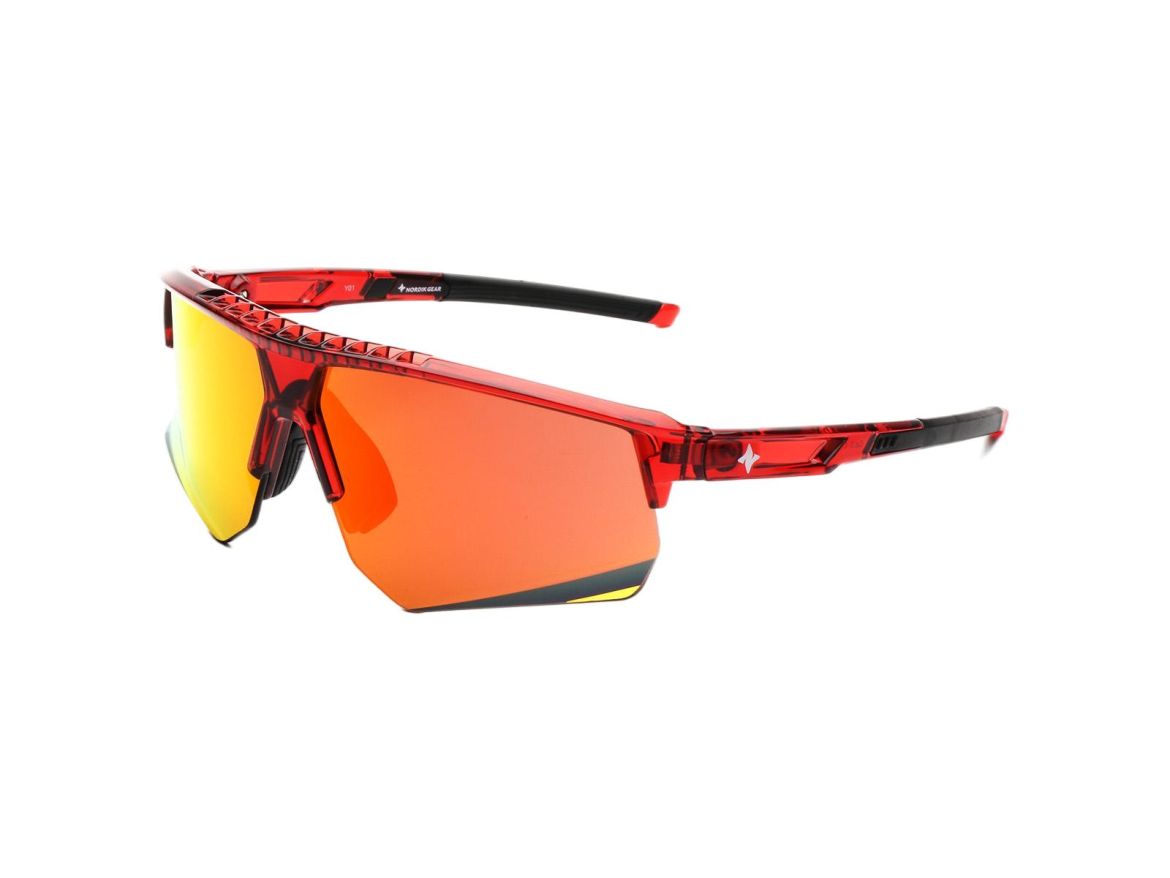
If you are shopping for the whole package, take a look at our baseball sunglasses collection alongside your prescription options. And if your family has multiple players who need eyewear, our 3-for-1 deal can stretch your budget considerably.
Get Fitted Before the Season Starts
Prescription sport lenses take longer to fabricate than standard lenses — typically 7 to 14 business days depending on prescription complexity and lens material. Do not wait until opening day to discover your old glasses cannot handle another season. Book your appointment or schedule a free eye test now so your eyewear is game-ready well before first pitch.
We are located in Okotoks, just 15 minutes south of Calgary, and we fit baseball glasses for players from across the Calgary region — from minor league youth to adult recreational leagues. Walk-ins are welcome, but appointments guarantee your spot.