2024-05-12
Snow Reflects Up to 80% of UV Light
The sun at a ski resort is not like the sun in a parking lot. Snow reflects somewhere between 50% and 80% of ultraviolet radiation back up at you, which means you are being hit from above and below simultaneously. At the elevations where Alberta and BC ski resorts sit, UV intensity is already higher than at sea level because there is less atmosphere filtering it. Combine altitude with snow reflection and you have one of the most UV-intense environments most people ever spend time in.
Snow blindness, which is essentially a sunburn on the surface of your eye, is a real risk. It causes painful, gritty, watery eyes that can temporarily blur your vision. On a ski hill, that is not just uncomfortable. It is dangerous. Proper eye protection is not a fashion decision here. It is a safety requirement.
Understanding VLT: The Number That Actually Matters
Visible Light Transmission, or VLT, is the percentage of light a lens lets through. A clear lens is 100% VLT. A very dark lens might be 5% VLT. For skiing, the VLT you need depends entirely on the conditions you are skiing in, and those conditions can change in an hour.
| Conditions | VLT Range | Best Lens Colours |
|---|---|---|
| Bright sun, bluebird days | 5-20% | Dark grey, dark brown, black iridium |
| Partly cloudy, mixed light | 20-40% | Rose, amber, copper |
| Overcast, flat light, snow | 40-70% | Yellow, gold, pink, light rose |
| Night skiing or heavy fog | 70-90% | Clear, very light yellow |
The Flat Light Problem
Every skier has experienced flat light: overcast skies, fresh snow, everything looks the same shade of white. Bumps disappear. The edge between the groomed run and the powder becomes invisible. This is where lens tint choice makes the biggest safety difference.
Rose, pink, and amber lenses with a higher VLT (around 40-60%) enhance contrast in flat light dramatically. They make shadows more visible, so you can actually see terrain features that would otherwise be invisible. If you ski the Canadian Rockies regularly, you know that flat-light days outnumber bluebird days. Having a lens that handles overcast conditions well is arguably more important than having a lens for full sun.
Bluebird Day Lenses
When the sky is clear and the sun is blasting off fresh snow, you need a dark lens in the 5-20% VLT range. Dark grey and dark brown are the standard choices. Many premium goggles offer mirror coatings on top of the tint, which reflects additional light before it even enters the lens. These are the flashy chrome and gold lenses you see on the hill. The mirror is functional, not just cosmetic.
Goggles vs. Sunglasses for Skiing
Goggles provide better protection for most skiing situations. They seal against your face to block wind, snow, and peripheral light completely. They are warmer. They fit under and over helmets. And the larger lens gives you a wider field of vision than any pair of sunglasses.
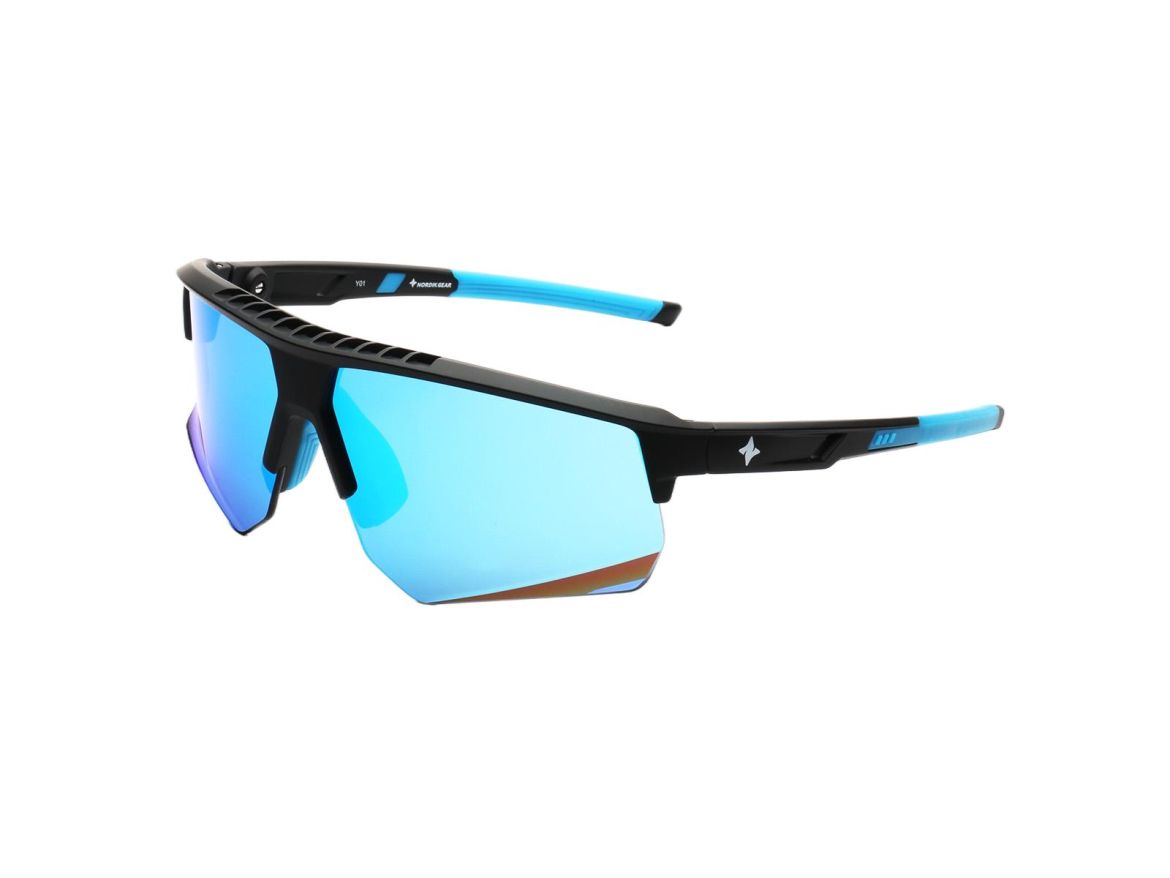
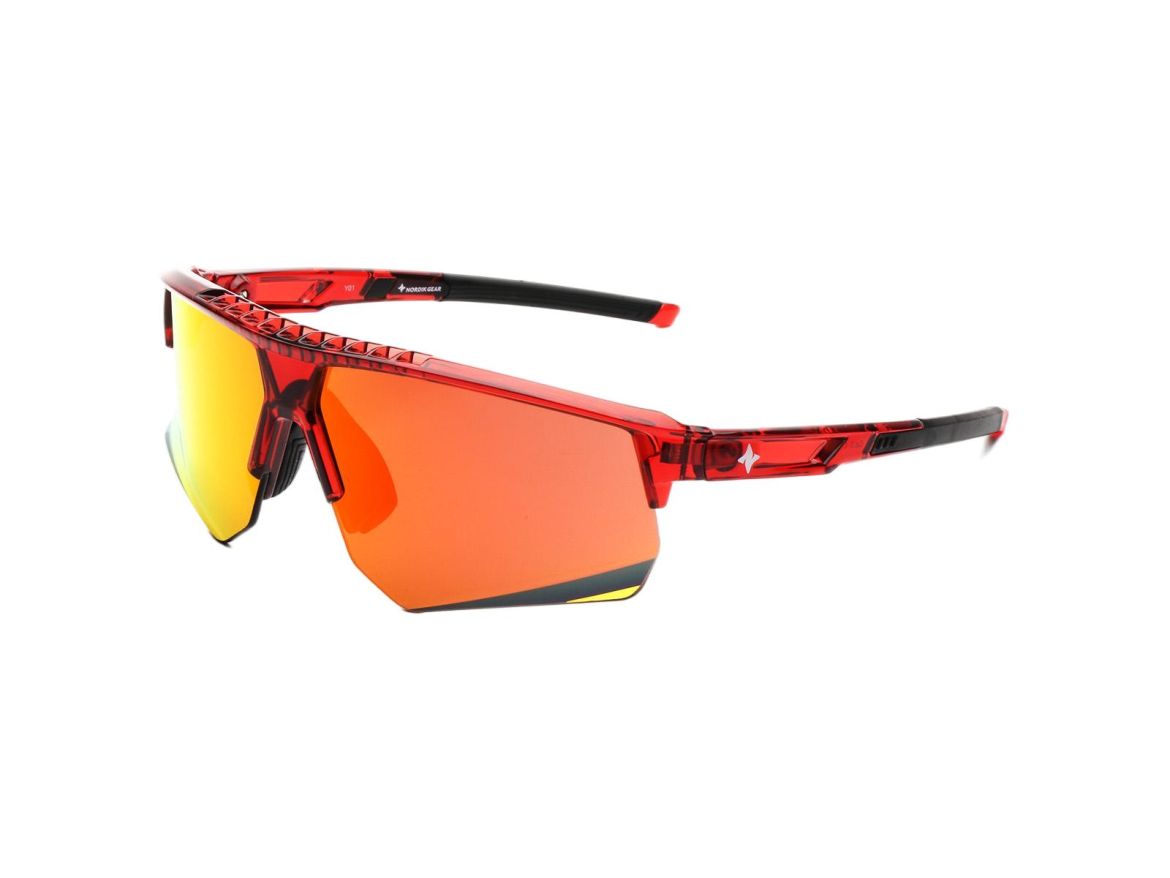
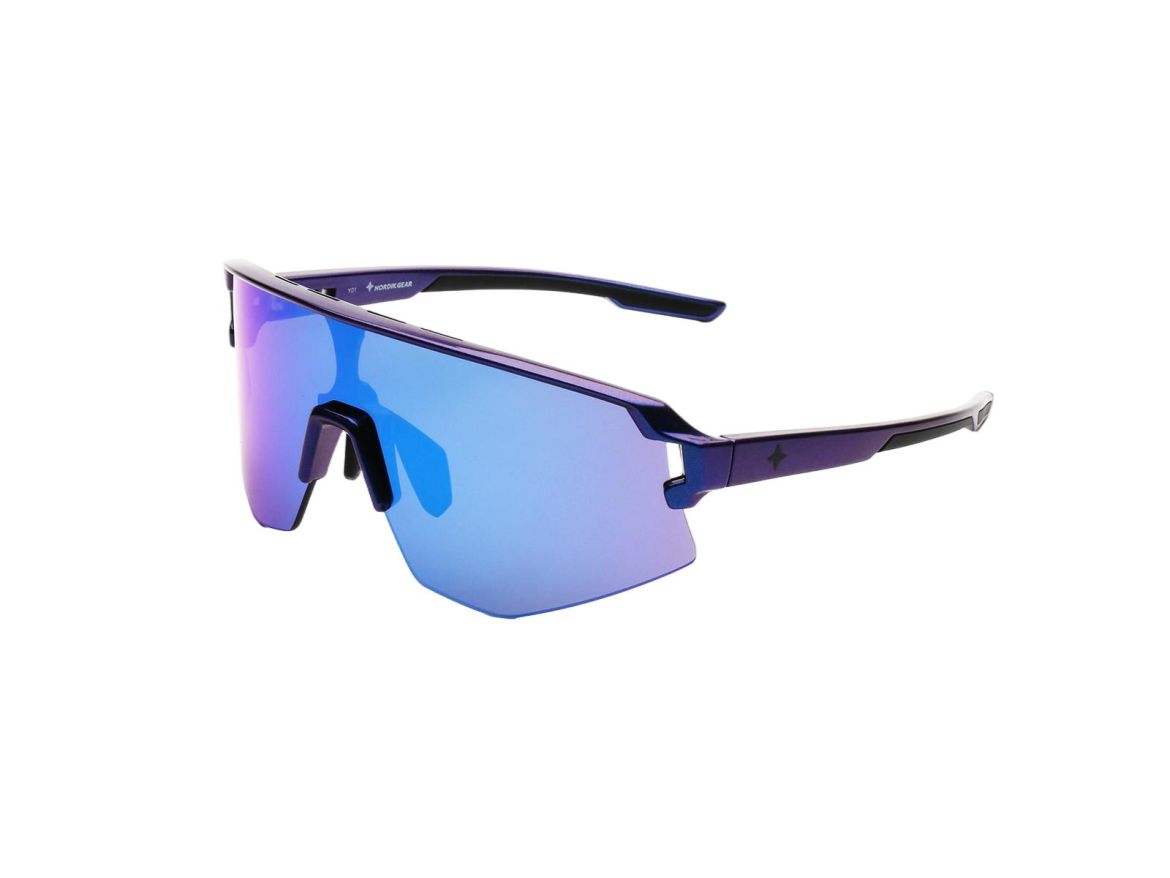
Sunglasses make sense for spring skiing, warm days, and backcountry touring where you are working hard and generating heat. They are lighter, less prone to fogging during high-output activity, and easier to take on and off. Many backcountry skiers prefer glacier-style sunglasses with side shields that block peripheral light without the full seal of a goggle.
If you are primarily a resort skier, goggles are the better choice for most days. If you do a mix of resort and backcountry, having both is worth the investment.
The Fogging Problem
Fog is the single biggest complaint about ski goggles and it ruins more ski days than bad snow conditions. Fog happens when warm, moist air from your face hits the cold inner lens. Every goggle manufacturer fights this with some combination of anti-fog coatings, dual-pane lenses (two layers with an insulating air gap, like double-pane windows), and ventilation.
Dual-pane lenses are the most effective anti-fog technology available. The air gap between the inner and outer lens prevents the inner surface from getting cold enough to cause condensation. If you are buying ski goggles and budget allows, dual-pane is the feature to prioritize above all others.
Beyond the lens itself, avoid pushing your goggles up onto your forehead during breaks. Your forehead is warm and sweaty, and you are essentially steaming the inside of your lens. Keep them on your face or hang them from a vent on your jacket.
Prescription Solutions for Skiing
Skiing with blurry vision is genuinely dangerous. You need to see terrain, other skiers, obstacles, and signage clearly at speed. If you wear prescription glasses, you have three options:
OTG (Over The Glasses) Goggles
OTG goggles have a deeper frame and channeled vents designed to fit over your everyday glasses. This is the simplest and cheapest solution. The downsides are that your glasses can shift inside the goggle, they increase the fogging risk because of the additional surfaces and trapped air, and the fit is never as comfortable as goggles alone.
Prescription Goggle Inserts
These are small prescription lens carriers that clip inside your goggle behind the main lens. They keep your correction close to your eyes where it belongs, they do not interfere with the goggle's ventilation system the way full glasses do, and they are relatively affordable. This is the option we recommend most often for prescription skiers. You buy one insert and move it between goggles or even between seasons as your prescription changes.
Prescription Ski Sunglasses
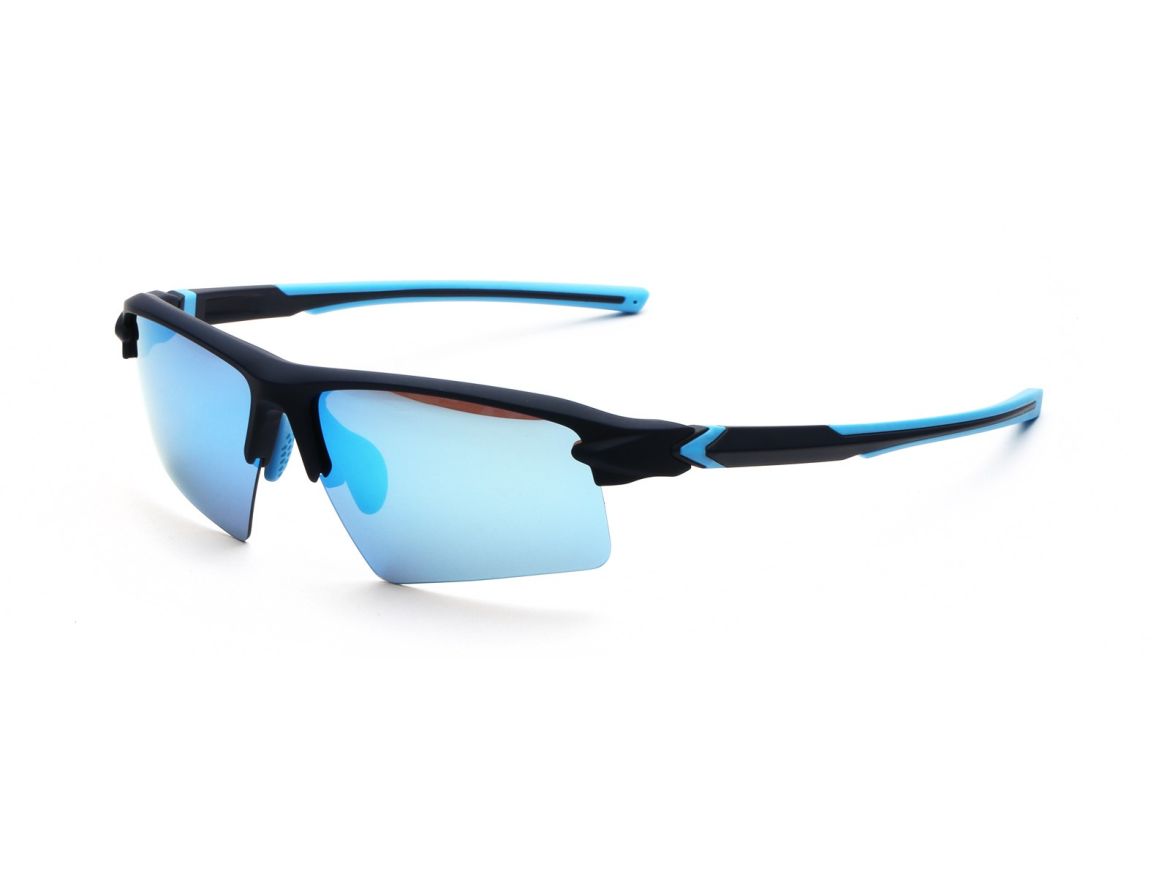
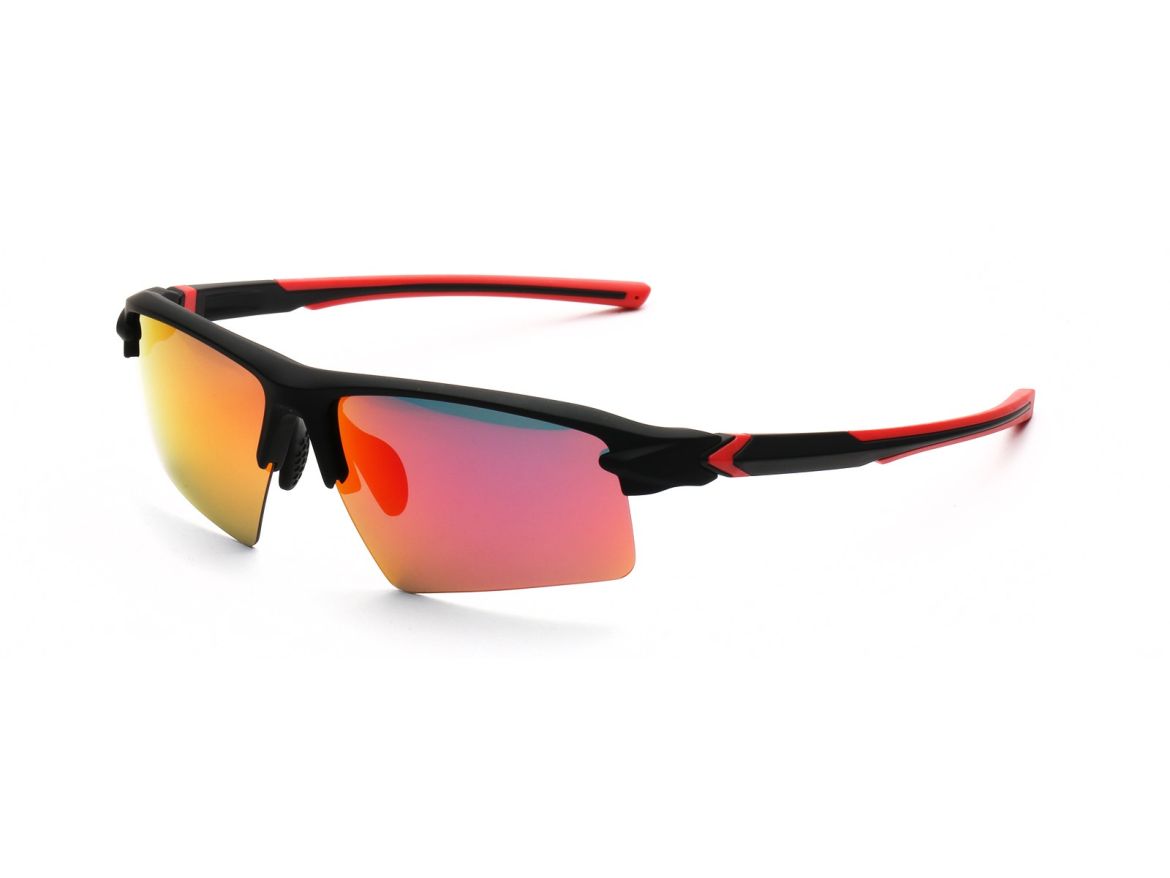
For spring skiing and backcountry touring, prescription sunglasses with a dark tint and side shields work well. A high-wrap sport frame with your prescription ground in gives you clear vision and UV protection without the bulk of goggles. This is a great second option for the warm-weather days when goggles feel like too much.
What to Look For
- Full UV400 protection is non-negotiable at altitude. Every quality ski goggle and sunglasses brand provides this, but check if you are buying budget options.
- Interchangeable lens systems let you swap between a dark bluebird lens and a high-VLT flat-light lens in seconds. If you ski more than a few days per season, this versatility is worth the premium.
- Helmet compatibility means the goggle sits flush against the helmet with no forehead gap. Bring your helmet when shopping for goggles.
- Dual-pane lenses for anti-fog performance. This is the single most impactful feature for Canadian skiing conditions.
Our Recommendation for Alberta Skiers
If you ski the Rockies regularly, you deal with everything from minus-thirty bluebird mornings to plus-five spring slush in a single season. A goggle with interchangeable lenses, one dark and one high-contrast rose or amber, covers the full range. Add a prescription insert if you need correction, and you are set for any conditions the mountains throw at you. Come in before the season starts and we will get you sorted.