2024-04-10
Polarized Lenses Are Not Optional for Fishing
If you only take one thing from this article, let it be this: regular tinted sunglasses are almost useless for fishing. They dim everything equally, including the fish you are trying to see. Polarized lenses, on the other hand, selectively filter out the horizontal light waves that bounce off the water surface and create glare. The result is that you can actually see through the water instead of staring at a sheet of reflected sky.
This is not a subtle difference. Put on a pair of polarized sunglasses on a sunny day at the river and you will genuinely see the bottom, the structure, and sometimes the fish themselves. Take them off and it all disappears back into a mirror of glare. For sight-casting anglers who spot fish before presenting a fly or lure, polarized lenses are arguably the most important piece of gear after the rod itself.
Lens Colour Matters More Than You Think
Here is where most fishing sunglasses articles fall apart: they tell you to buy polarized and leave it at that. But the lens colour you choose makes a dramatic difference depending on where and when you fish. There is no single best colour. It depends on the water.
Copper and Amber: Shallow Streams and Rivers
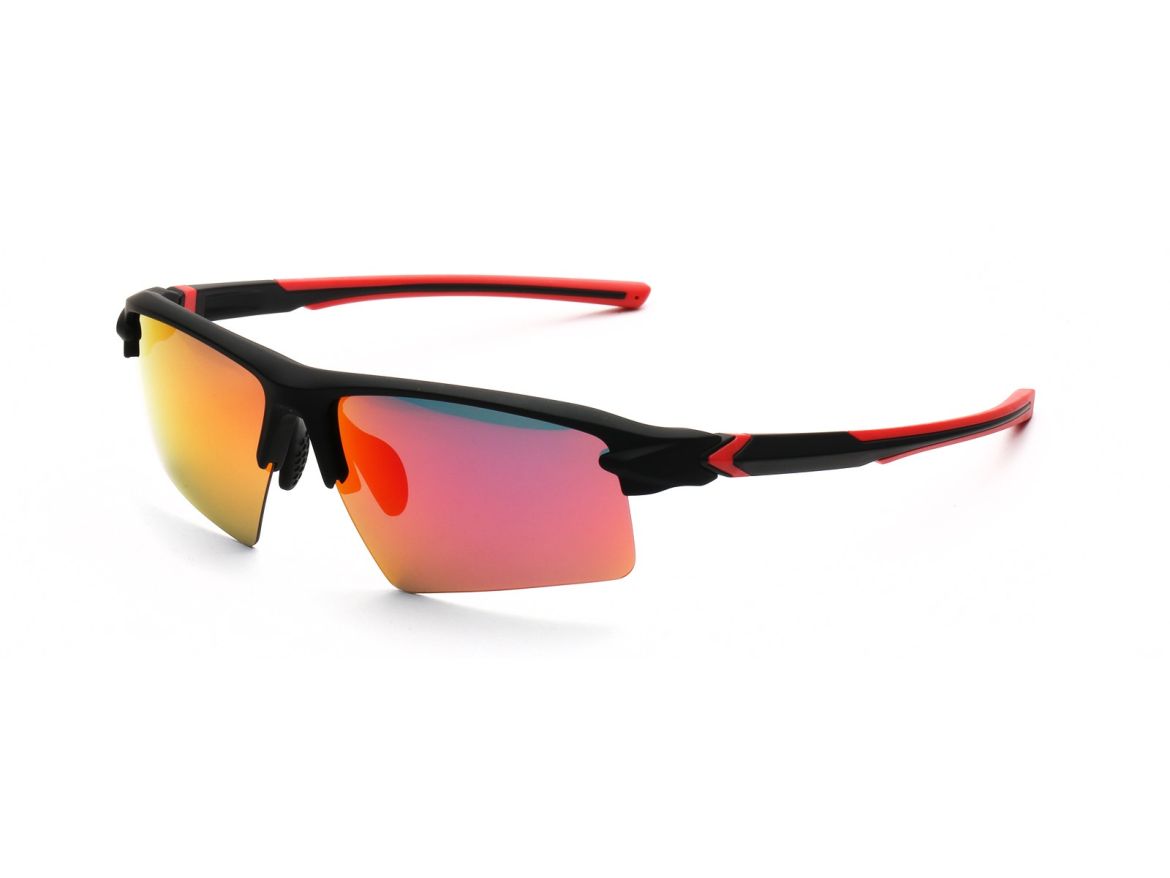
If you spend most of your time on Alberta's trout streams, wading through knee-deep water looking for cutthroat or rainbows holding behind rocks, copper or amber lenses are your best bet. These warm-toned lenses enhance contrast against brown and green backgrounds, which is exactly what a river bottom looks like. They make it dramatically easier to distinguish a trout's silhouette from the rocks and gravel around it.
Amber lenses also perform well in lower-light conditions. Overcast mornings, shaded stretches under cottonwoods, and the golden hour before sunset all get a boost from amber polarized lenses. They brighten the scene slightly while still cutting glare, which is why many fly fishing guides wear them almost exclusively.
Grey: Open Water and Bright Sun
For lake fishing, ocean fishing, or any situation where you are staring at a large expanse of water under direct sun, grey polarized lenses are the standard. Grey provides true colour perception without warming or cooling what you see. It simply reduces brightness evenly while the polarization handles the glare.
Grey lenses are also the most comfortable for all-day wear because they do not shift the colours around you. If you are spending eight hours on a boat, the reduced eye fatigue from a neutral grey tint is a real benefit. Your eyes are not constantly recalibrating to an artificially warm or cool world.
Green: The Versatile Middle Ground
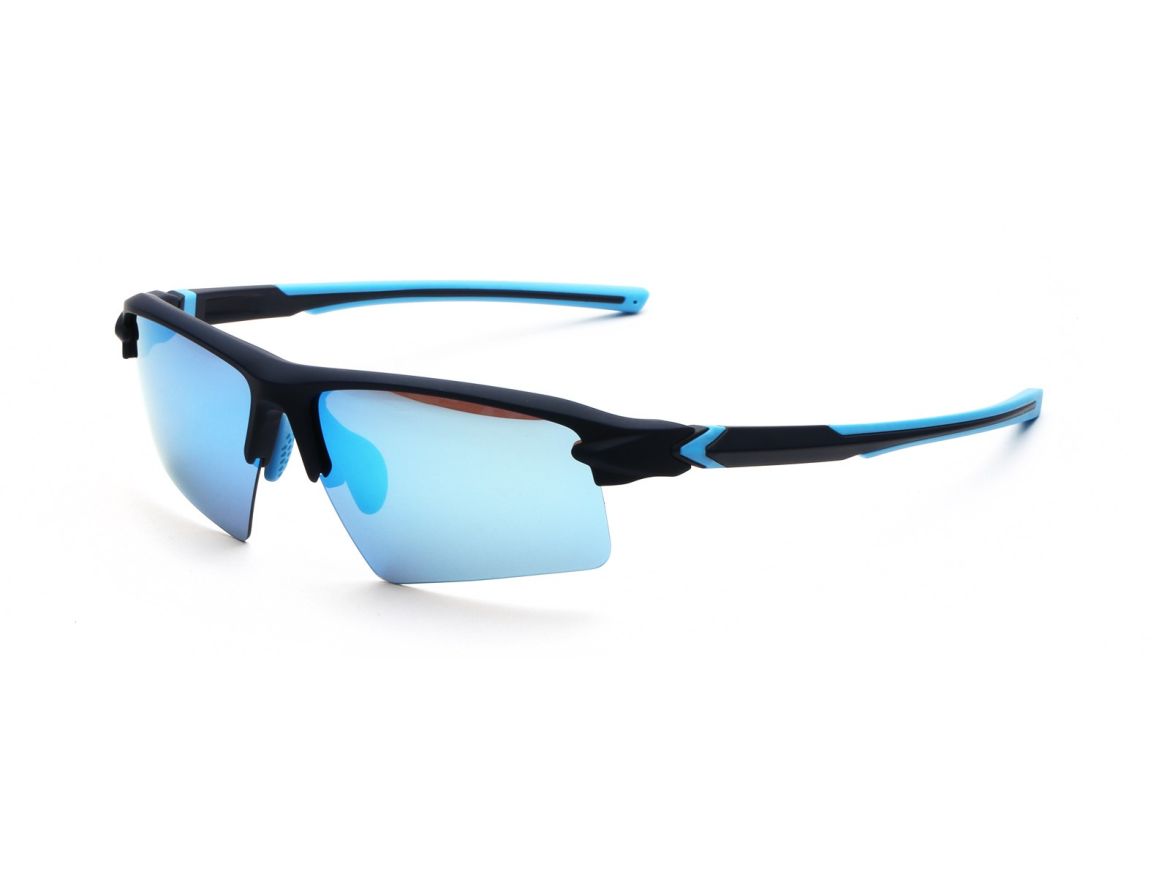
Green polarized lenses split the difference between amber and grey. They offer slightly enhanced contrast without the strong colour shift of copper. If you fish a mix of streams and lakes and only want one pair, green is a solid compromise. It performs reasonably well in most light conditions without excelling in any specific one.
Yellow and Rose: Low Light Specialists
Some anglers swear by yellow or rose-tinted polarized lenses for dawn, dusk, and heavily overcast days. These very light tints brighten the scene and boost contrast significantly. They are genuinely useful for early morning hatches when the light is still flat and grey. But they are too bright for midday sun and most people find them uncomfortable after a few hours. Think of these as a niche second pair, not your primary.
What About Lens Material?
Glass polarized lenses provide the best optical clarity, period. The image is sharper, distortion is minimal, and they resist scratching far better than any plastic. But glass is heavier and it will shatter if you take a branch to the face while bushwhacking to your favourite hole. For wading and bank fishing, that weight and risk are usually minor. For anything involving speed or impact potential, polycarbonate is the safer choice.
Polycarbonate polarized lenses are lighter, impact-resistant, and considerably cheaper. The optical quality is good but not quite at glass level. Most mid-range fishing sunglasses use polycarbonate, and honestly, for the vast majority of anglers it is perfectly fine. You will not notice the clarity difference unless you put them side by side with glass.
Frame Features That Actually Matter
Wraparound Coverage
Light sneaking in from the sides of your glasses is the enemy. On the water, where reflected glare comes from every angle, a frame that wraps around your temples blocks peripheral light that your lenses cannot filter. You do not need something that looks like safety goggles, but a modest wrap makes a noticeable difference.
Floating Frames
Here is a question worth asking yourself honestly: have you ever dropped sunglasses in the water? If the answer is yes, or if you fish from boats, docks, or slippery banks, look for frames that float. Several manufacturers make frames with built-in buoyancy, usually through air-injected nylon or foam-core temple tips. Alternatively, you can add a floating retainer strap to any pair for a few dollars. Either way, losing a $300 pair of polarized sunglasses to the Bow River is a miserable experience you only need once.
Rubber Nose Pads and Temple Grips
Sweat, sunscreen, and river spray will send smooth plastic frames sliding down your nose all day. Rubber nose pads that grip better when wet and textured temple tips that hold behind your ears are not luxury features. They are the difference between fishing comfortably and pushing your glasses up every thirty seconds. Many fishing-specific frames use hydrophilic rubber that actually increases grip as it gets wet.
Prescription Fishing Sunglasses
If you wear prescription glasses, you have likely tried fishing with clip-on polarized lenses or cheap fit-over polarized shades at some point. Neither is great. Clip-ons reduce the polarization effectiveness because of the air gap between the lenses, and fit-overs are bulky and uncomfortable in the heat.
Prescription polarized lenses in a proper fishing frame are the real solution. You can get your exact prescription ground into polarized lenses in whatever tint colour suits your fishing. It is not cheap, but it is the kind of purchase that lasts years and transforms the experience. If you already need glasses to see your fly box, investing in a pair that lets you see into the water as well just makes sense.
A Quick Reference
| Water Type | Best Lens Colour | Why |
|---|---|---|
| Shallow streams and rivers | Copper / Amber | Contrast against brown and green bottoms |
| Open lakes and ocean | Grey | True colour, reduces brightness evenly |
| Mixed conditions | Green | Good contrast without heavy colour shift |
| Dawn, dusk, overcast | Yellow / Rose | Brightens scene, boosts contrast in flat light |
The Bottom Line
Good fishing sunglasses are polarized, full stop. Beyond that, match your lens colour to the water you fish most often, pick a frame that wraps enough to block side glare, and consider floating frames or a retainer strap if you fish near deep water. If you wear a prescription, get it built into proper polarized lenses rather than fighting with clip-ons all season.
If you are not sure which tint makes sense for the kind of fishing you do here in Alberta, come in and we will walk you through the options. We carry polarized lenses in every colour mentioned above and can put them into your prescription if needed.