Cycling Sunglasses: What Matters Beyond Looking Fast

2024-05-28

Cycling Glasses Are Not Just Tinted Lenses

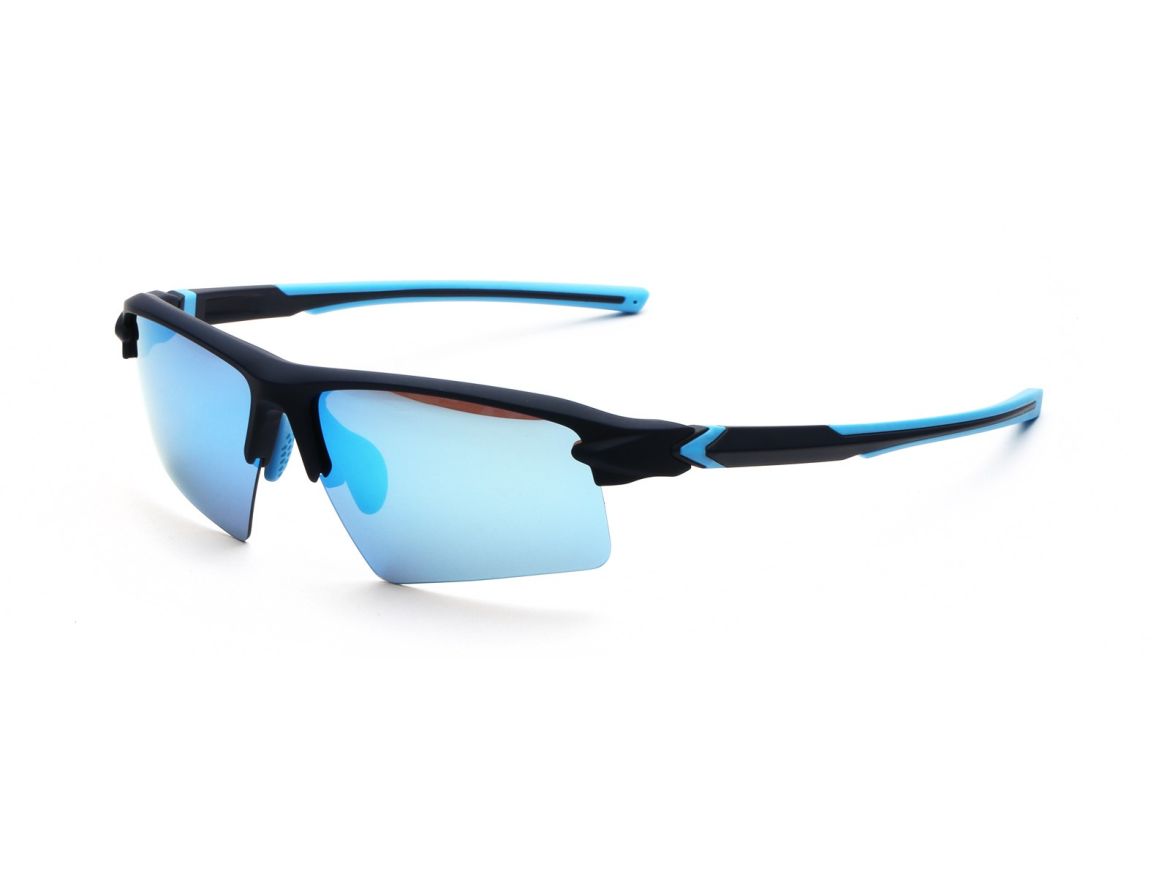
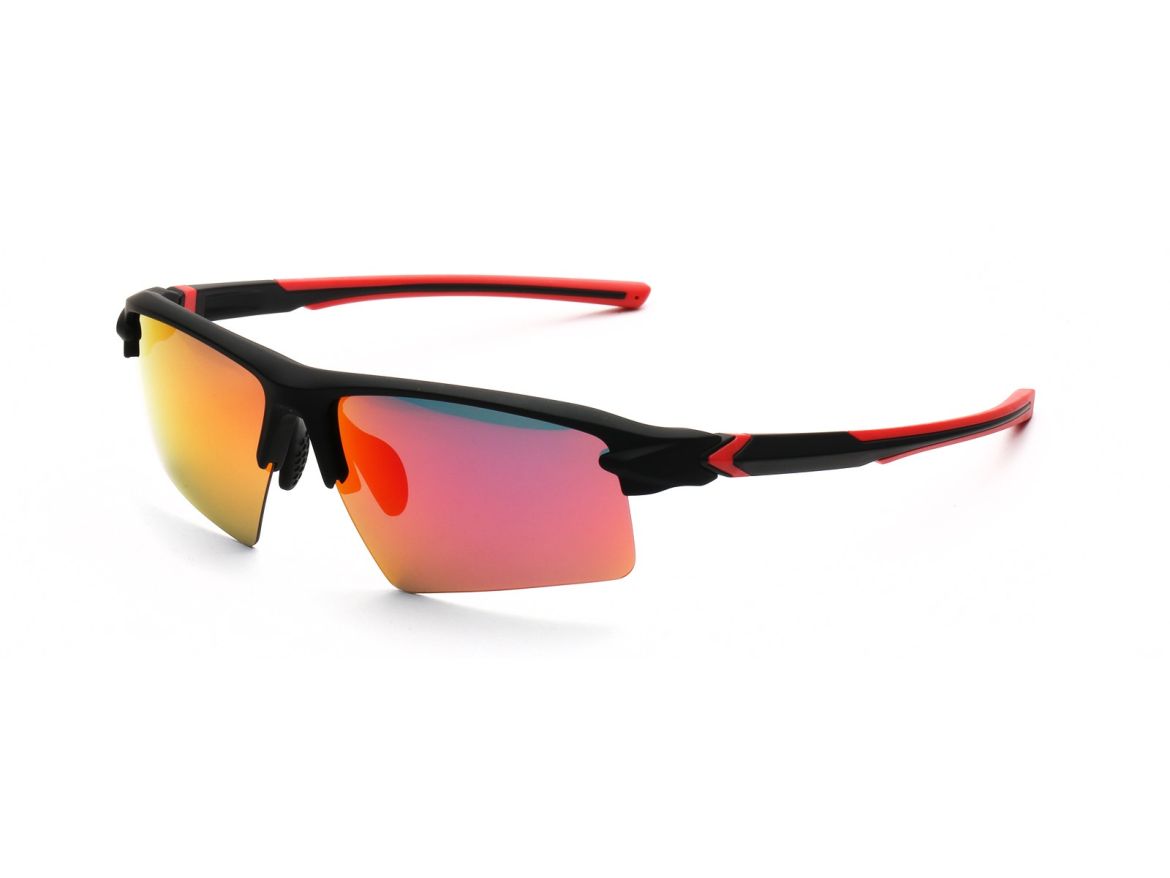
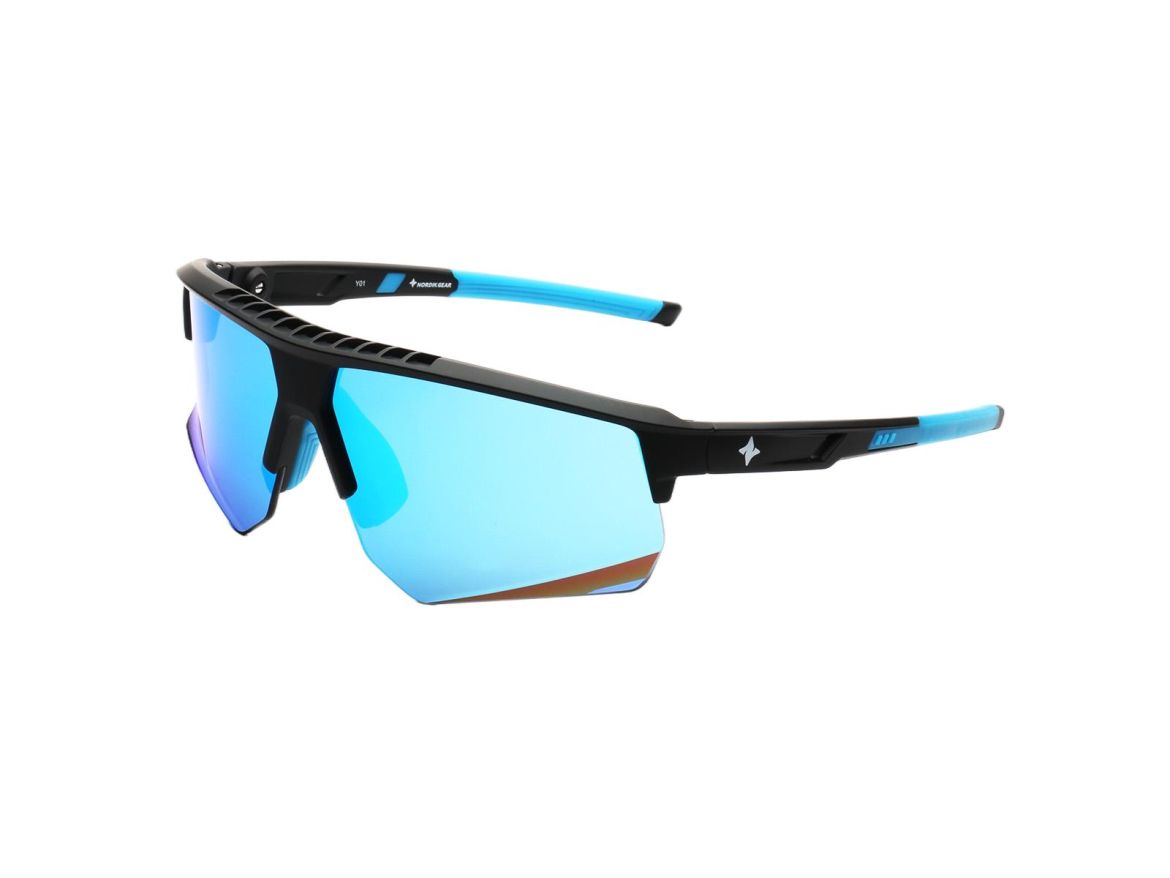
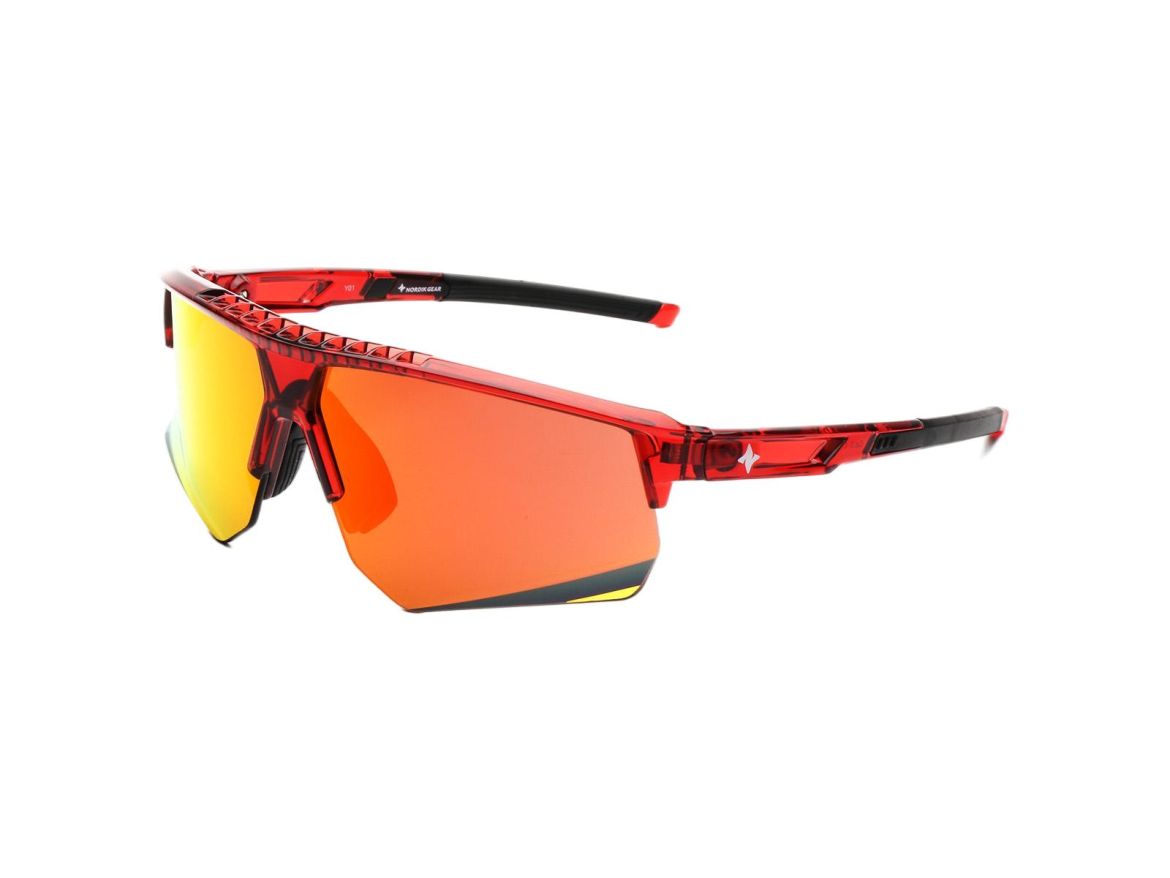
There is a reason cycling-specific sunglasses look the way they do. Those big, wraparound shields that cover half your face are not about aerodynamics or looking like a pro. They exist to solve a specific set of problems that regular sunglasses cannot handle: wind in your eyes at speed, debris kicked up by the rider in front of you, and rapidly changing light as you ride through sun, shade, and everything in between.

If you have ever tried to ride at 35 km/h wearing a regular pair of Ray-Bans, you know the problem. Your eyes water. Bugs and grit get in from the sides and bottom. And when you ride from a sunlit section into tree shade, the sudden darkness leaves you blind for a second or two. Cycling-specific eyewear addresses all of these issues. Whether you spend $80 or $400, understanding what features actually matter will help you buy smarter.

Wind Protection: The Feature Nobody Talks About

Wind dries out your eyes. At cycling speeds, the constant airflow strips moisture from the surface of your eye faster than you can blink. Over a two-hour ride, this leads to irritation, blurred vision, and that sandpaper feeling when you finally stop. For contact lens wearers, wind exposure is even worse because the lens itself dehydrates.

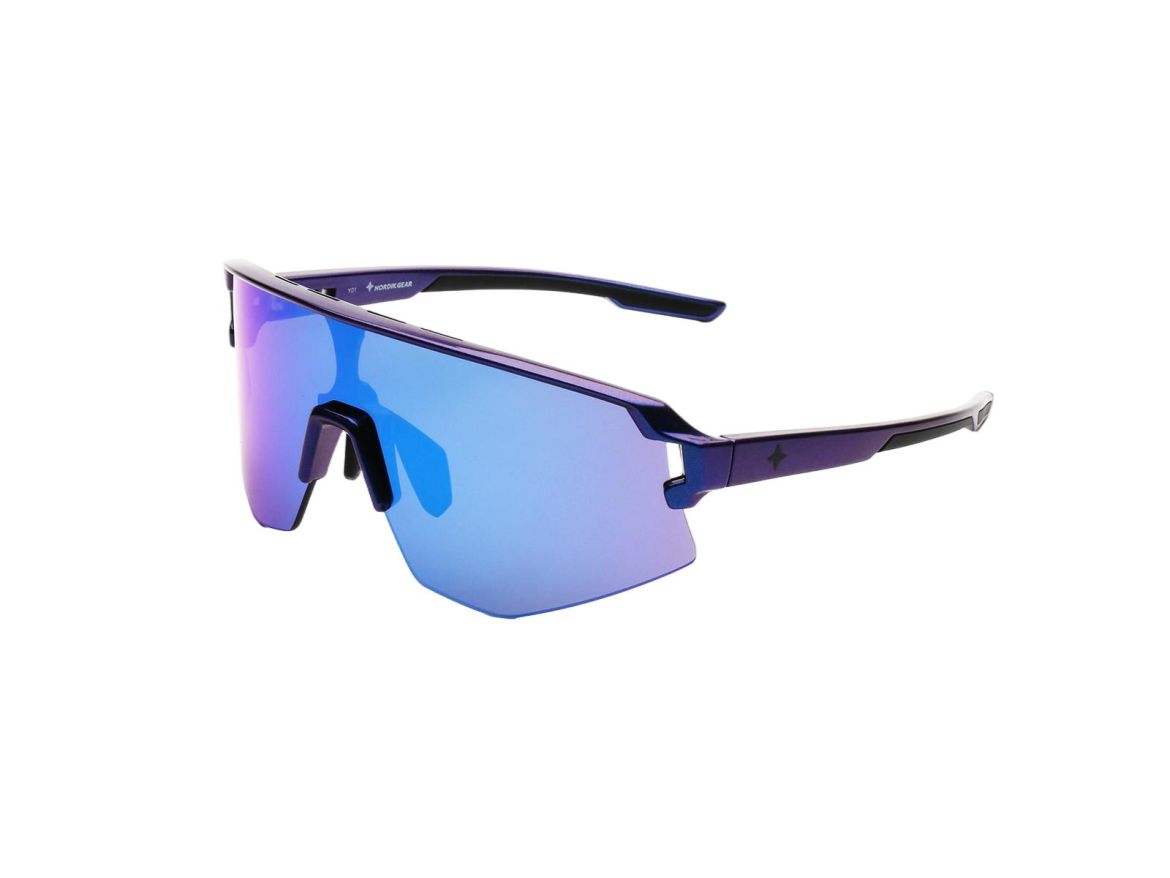
Large, wraparound lenses that extend close to your cheekbones and temples create a pocket of still air in front of your eyes. This is the primary functional reason cycling glasses have that distinctive oversized look. A standard pair of sunglasses leaves massive gaps above, below, and on the sides where wind tunnels straight to your eyes.

The trade-off is that sealing out wind can trap moisture and cause fogging, especially during hard efforts or when climbing slowly. Good cycling glasses address this with ventilation channels, either cut into the lens itself or built into the frame above the lens. These allow enough airflow to prevent fog without letting the full wind blast hit your eyes.

Photochromic Lenses: The Cyclist's Best Friend

If you ride roads or paths that move through sun and shade, photochromic lenses are the single best investment you can make in cycling eyewear. These lenses darken automatically in bright light and lighten in the shade. For cycling, this means riding through a tree-lined pathway does not suddenly plunge you into darkness, and emerging into open sun does not blind you.

Modern photochromic technology in quality cycling lenses adjusts quickly enough to handle the rapid transitions you encounter on a bike. Older photochromic lenses were sluggish, taking minutes to shift. Current versions from the major optical manufacturers change noticeably within 15 to 30 seconds, which is fast enough for most riding situations.

The one limitation: photochromic lenses react to UV light, and your car windshield blocks most UV. So if you are driving to the trailhead, your lenses will be nearly clear when you start riding and will need a minute to darken up. It is a minor inconvenience, not a deal-breaker.

Interchangeable Lenses: The Alternative Approach

Some cycling glasses come with two or three interchangeable lenses: a dark lens for bright sun, an amber or rose lens for overcast days, and sometimes a clear lens for night riding or rain. You pop out one lens and snap in another in a few seconds.

The advantage over photochromic is that you get a purpose-built lens for each condition. A dark interchangeable lens at 10% VLT is darker than most photochromic lenses get at their darkest. A clear lens is truly clear, while even the lightest photochromic still has a slight tint.

The disadvantage is obvious: you need to predict the weather correctly and carry the spare lens with you. On a ride where conditions change mid-route, you are stopping to swap lenses while the photochromic rider just keeps pedaling. For most recreational cyclists, photochromic is the more practical choice. For racers and serious riders who optimize for specific conditions, interchangeable systems make sense.

Helmet Compatibility

This sounds trivial until you try to wear the wrong glasses with a helmet. Thick temple arms press against your head where the helmet straps sit, creating hot spots and headaches over long rides. Some glasses position the earpiece so high that it sits on top of the helmet strap instead of under it, which pushes the glasses away from your face.

Cycling-specific glasses have thin, flexible temple arms designed to slide under helmet straps without creating pressure points. Some use adjustable or bendable wire-core temples that you can shape to your head. When you try on cycling glasses in the shop, bring your helmet. If the glasses do not sit comfortably with the helmet on, they will not get more comfortable at kilometre 80.

Lens Tint for Cycling

Road Cycling

For road riding in mixed conditions, a photochromic lens with a contrast-enhancing base tint (rose or light amber) handles the widest range of situations. On bright days it darkens enough for comfort. On overcast days the base tint enhances road surface contrast, helping you spot potholes, gravel patches, and wet sections earlier.

Mountain Biking

Trail riding involves constant transitions between deep forest shade and open clearings. Amber or rose lenses with a moderate VLT (around 25-40%) let enough light in for the dark sections while still providing UV protection and contrast enhancement in the open. Photochromic works well here too, though the transitions happen so rapidly on singletrack that even fast-reacting lenses may lag behind.

Gravel and Mixed Terrain

Gravel riders deal with dust, which makes a sealed or close-fitting frame more important than tint choice. Beyond that, the same recommendations as road cycling apply. Photochromic in a rose or amber base handles the variety well.

Prescription Cycling Glasses

Riding with poor vision is a safety issue. You need to see road hazards, traffic, and other riders clearly. If you wear prescription glasses, you have two good options for cycling:

Direct prescription cycling lenses: Your prescription ground into the cycling lens itself. This gives you the best optics and the lightest weight. The limitation is that high-wrap cycling frames introduce optical distortion at the edges with strong prescriptions. Your optician needs to account for the frame curvature when grinding the lenses.

Prescription inserts: A small prescription lens carrier that clips behind the main cycling lens. This works with any frame and avoids the wrap-distortion problem. It adds a small amount of weight and a second surface that can fog, but for strong prescriptions it is often the better optical solution.

What to Prioritize

  1. Fit with your helmet above all else. Glasses that do not work with your helmet will sit in a drawer.
  2. Wind protection from a wraparound design with good cheek and brow coverage.
  3. Ventilation to prevent fogging during climbs and slow sections.
  4. Photochromic or interchangeable lenses to handle changing light.
  5. Lightweight and secure fit that you forget about after the first kilometre.

If you ride in Calgary or anywhere in Alberta, bring your helmet into the shop and we will help you find the right combination of lens tint, frame fit, and prescription correction for the kind of riding you do.

Need an Eye Test?

Free Essilor R800 eye test with every eyewear purchase. Book online or call (587) 997-3937.

Book Now 3-for-1 Deal